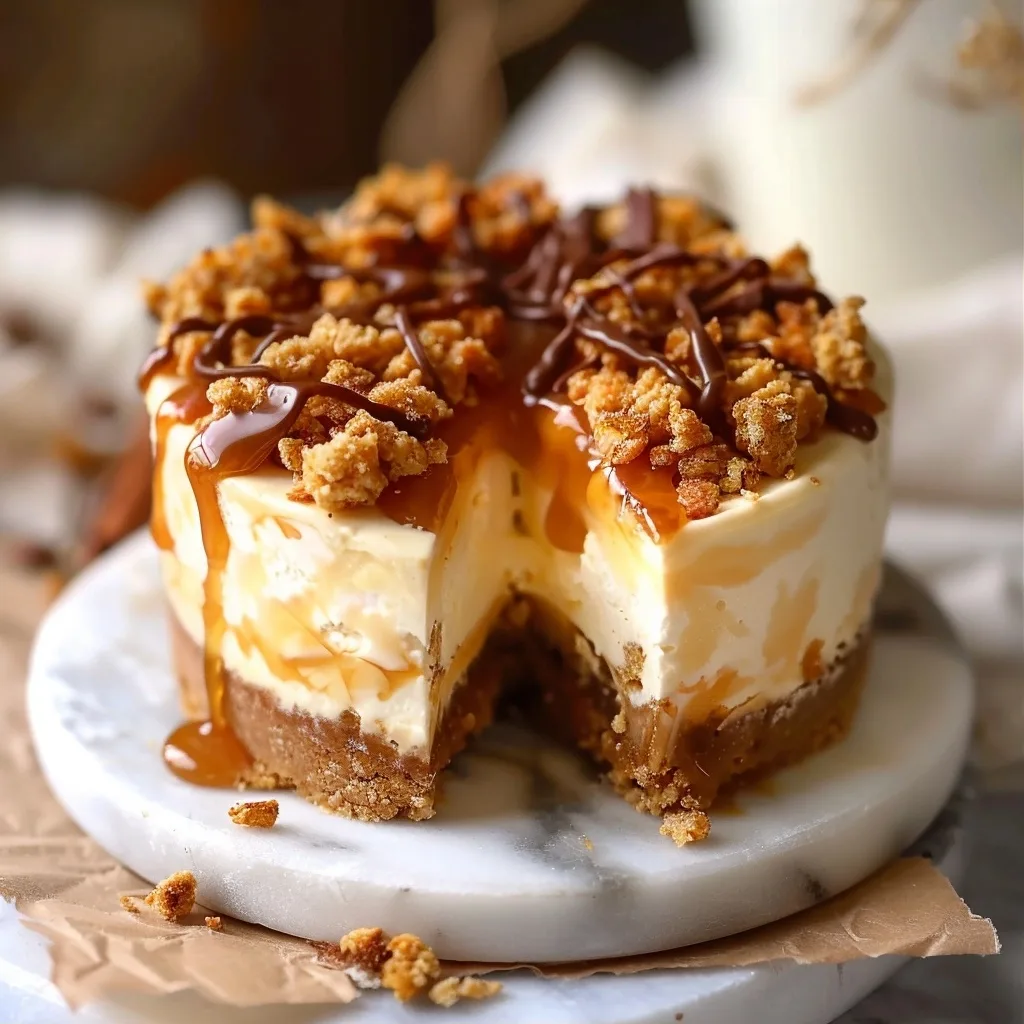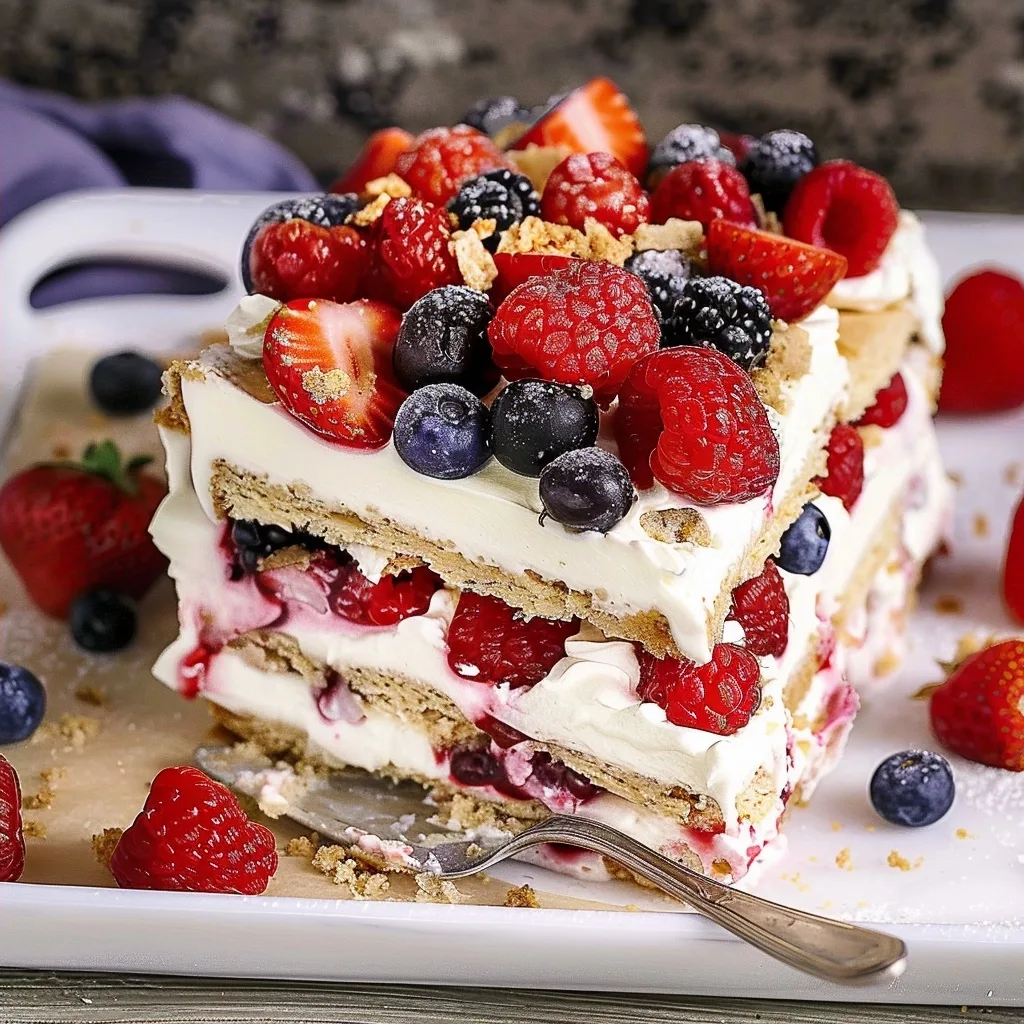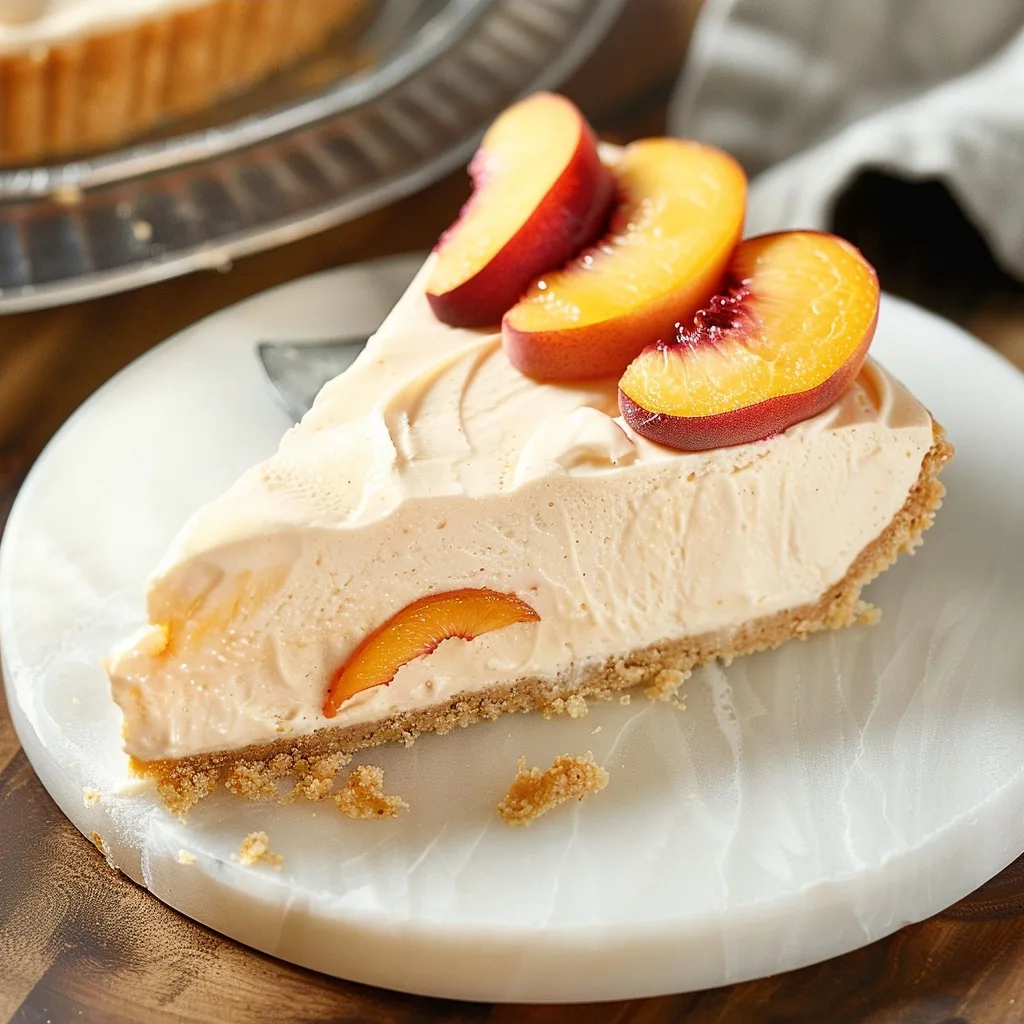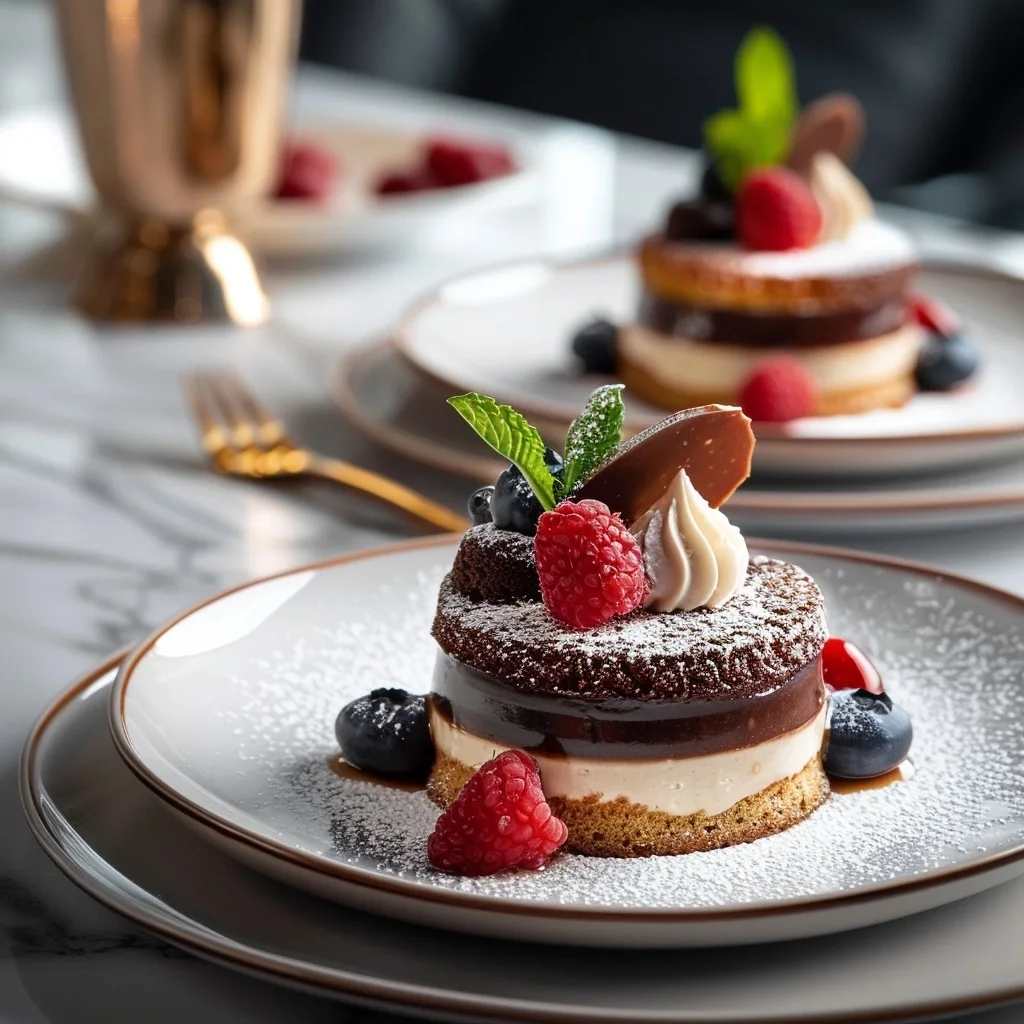
A simple cake design offers a timeless appeal, focusing on clean lines and quality ingredients. This approach proves that elegance does not require complexity. Mastering simple cake design unlocks a world of beautiful, yet achievable, baked creations. It is the perfect starting point for aspiring bakers and seasoned pros alike.
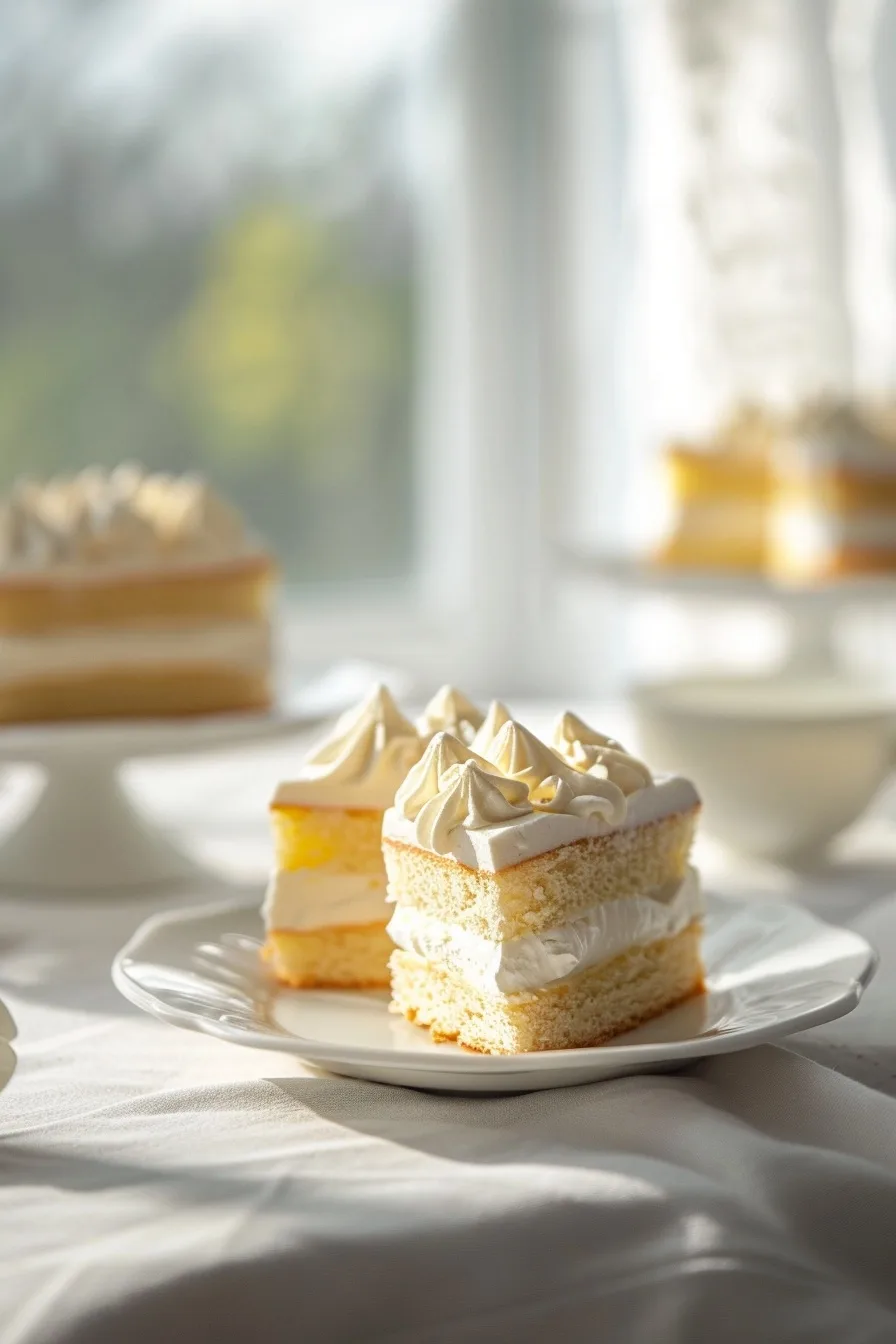
Recipe Overview
| Prep Time | Cook Time | Total Time | Servings | Difficulty | Cuisine |
|---|---|---|---|---|---|
| 15 minutes | 35 minutes | 50 minutes (plus cooling) | 8 servings | Easy | American |
Why This Recipe Works
This recipe is a cornerstone of simple cake design because it uses common pantry staples to create a perfectly tender crumb. The balance of fat from the butter and moisture from the milk ensures a rich yet light texture. Mixing the dry ingredients first and then gradually incorporating the wet prevents overmixing, a common pitfall that leads to tough cakes.
The straightforward method of creaming butter and sugar, then adding eggs one at a time, builds a stable structure. Finishing with the dry and wet ingredients alternately, or in this case, all at once for simplicity, guarantees an even bake. This foundational cake is the ideal canvas for minimal yet impactful decoration, making it a perfect example of successful simple cake design principles.
Ingredients
| Ingredient | Quantity | Notes |
|---|---|---|
| All-purpose flour | 2 cups | Sifted for a lighter texture |
| Granulated sugar | 1 ½ cups | Standard white sugar |
| Baking powder | 1 ½ teaspoons | Ensures a good rise |
| Salt | ½ teaspoon | Balances sweetness |
| Unsalted butter | ½ cup (1 stick) | Softened to room temperature for easy creaming |
| Large eggs | 2 | Room temperature for better incorporation |
| Milk | 1 cup | Whole milk recommended for richness; buttermilk is a good alternative |
| Vanilla extract | 1 teaspoon | Pure vanilla extract enhances flavor |
Step-by-Step Instructions
Preparation
- Preheat your oven to 350°F (175°C).
- Lightly grease and flour an 8-inch round cake pan. Lining the bottom with parchment paper is optional but recommended.
Mixing the Batter
- In a large mixing bowl, whisk together the all-purpose flour, granulated sugar, baking powder, and salt.
- Add the softened unsalted butter to the dry ingredients.
- Mix on low speed using an electric mixer until the mixture resembles coarse crumbs.
- In a separate medium bowl, whisk together the large eggs, milk, and vanilla extract until well combined.
- Gradually add the wet ingredient mixture to the dry ingredient mixture.
- Mix on low speed until the ingredients are just combined and no streaks of flour remain. Be careful not to overmix the batter.
Baking the Cake
- Pour the cake batter evenly into the prepared cake pan.
- Place the cake pan in the center of the preheated oven.
- Bake for 30 to 35 minutes.
- Test for doneness by inserting a toothpick or cake tester into the center. It should come out clean.
Cooling
- Remove the cake from the oven and let it cool in the pan on a wire rack for 10 minutes.
- Carefully invert the cake onto the wire rack to cool completely. Ensure it is fully cool before decorating.
Chef Tips for Perfect Results
- Temperature is Key: Ensure your butter, eggs, and milk are at room temperature. This aids in proper emulsification, leading to a smoother batter and a lighter cake texture.
- Accurate Measurement: Spoon flour into the measuring cup and level it off with a straight edge. This prevents a dense cake. Weighing your ingredients is the most accurate method.
- Gentle Mixing: Mix the batter only until the ingredients are just combined. Overmixing develops the gluten too much, resulting in a tough and chewy cake structure.
- Oven Calibration: Use an oven thermometer to verify your oven temperature. Ovens can be inaccurate, leading to under or over-baking, impacting the final cake’s texture and appearance.
- Cooling Patience: Allow the cake to cool completely before frosting or decorating. Applying frosting to a warm cake will cause it to melt and slide off.
Common Mistakes to Avoid
- Impatience with Ingredients: Using cold butter, eggs, or milk hinders the batter’s ability to emulsify properly. This can lead to a greasy texture or a cake that doesn’t rise evenly. Ensure all dairy and eggs are at room temperature.
- Overmixing the Batter: Excessive mixing develops gluten strands, making the cake tough and dense. Mix only until the ingredients are incorporated. Some small lumps are acceptable.
- Incorrect Oven Temperature: Baking at too high a temperature can cause the outside to burn while the inside remains undercooked. Conversely, too low a temperature can result in a dry, flat cake. Always use an oven thermometer.
- Opening Oven Door Too Early: The sudden change in temperature when the oven door is opened can cause the cake to sink in the middle. Resist the urge to check on the cake until the minimum baking time has passed.
- Frosting a Warm Cake: Frosting will melt and slide off a warm cake, creating a mess. Allow the cake to cool completely on a wire rack before you begin any decorating.
Variations and Substitutions
| Ingredient | Substitution | Impact on Flavor |
|---|---|---|
| All-purpose flour | Cake flour | Creates a more tender and lighter crumb, ideal for delicate cakes. |
| Granulated sugar | Caster sugar | Dissolves more easily, resulting in a smoother batter and finer crumb. |
| Milk | Buttermilk or plain yogurt | Adds a tangy flavor and extra moisture, resulting in a richer, more tender cake. |
| Butter | Vegetable oil (use 7/8 cup oil for 1 cup butter) | Will result in a moister cake but may slightly alter the delicate buttery flavor. |
| Vanilla extract | Almond extract or lemon zest | Introduces different aromatic notes. Use ½ teaspoon of almond extract or zest of 1 lemon. |
Serving Suggestions and Pairings
This simple cake design is incredibly versatile. Serve it as is for a delightful everyday treat, perfect with a cup of hot tea or coffee during a morning break. For a more festive occasion like a birthday or anniversary, a light dusting of powdered sugar provides an elegant finish. Consider a small dollop of whipped cream or a fresh berry garnish for added appeal. It pairs beautifully with fresh fruit platters, especially during summer gatherings.
Storage and Reheating
| Method | Duration | Instructions |
|---|---|---|
| Room Temperature Storage | 1-2 days | Store in an airtight container at room temperature. Ensure it is completely cooled. Do not store in direct sunlight. |
| Refrigerated Storage | 3-5 days | Store in an airtight container in the refrigerator. This is ideal if the cake has perishable frosting. |
| Freezing | 1-2 months | Wrap the cooled cake tightly in plastic wrap, then in aluminum foil. Thaw overnight in the refrigerator before serving. |
| Reheating | N/A | This cake is best served at room temperature or slightly warm. If reheating, microwave individual slices for 10-15 seconds on low power. |
Nutritional Information
| Nutrient | Amount per Serving |
|---|---|
| Approximate Values | — |
| Calories | 300 kcal |
| Protein | 4g |
| Fat | 13g |
| Carbohydrates | 42g |
| Fiber | 1g |
| Sugar | 27g |
| Sodium | 200mg |
Frequently Asked Questions
Can I use a different type of flour for this simple cake design?
Yes, cake flour can be used for a more delicate crumb. Substitute cake flour one-to-one for all-purpose flour. Weighing your flour is always the most accurate method for consistent results. Ensure your flour is fresh for the best texture.
How do I know if the cake is fully baked?
Insert a toothpick or cake tester into the center of the cake. If it comes out clean with no wet batter clinging to it, the cake is fully baked. A slight amount of dry crumbs is acceptable. Check after 30 minutes of baking.
What if my cake has a dome and sinks in the middle?
A domed and sunken cake often indicates incorrect oven temperature or too much leavening. Ensure your oven temperature is accurate with a thermometer and that you have measured the baking powder precisely. Avoid opening the oven door too early during baking.
Can I make this cake batter ahead of time?
It is best to bake the cake batter immediately after mixing for optimal results. Acidic ingredients in the batter can start reacting with the leavening agents. If you must, refrigerate the batter for no more than a few hours, but be aware of potential texture changes. Allow it to come to room temperature before baking.
What are good simple frosting options for this cake?
A simple buttercream frosting, a light dusting of powdered sugar, or a drizzle of glaze are excellent choices for this cake. A basic vanilla or cream cheese frosting complements its flavor profile beautifully. Consider a thin layer of ganache for an elegant touch.
Embrace the beauty of simplicity with this straightforward yet delicious cake. This simple cake design serves as a perfect foundation for your creativity. Whether enjoyed plain or lightly adorned, its delightful texture and balanced flavor are sure to please. Celebrate everyday moments with this effortlessly elegant bake, leaving a lasting impression of pure, comforting sweetness.
Print
Simple Vanilla Sponge Cake
A timeless American vanilla sponge cake with a tender crumb and clean design. Made with pantry staples like flour, butter, sugar, and milk, it’s the perfect base for minimalist decorations.
- Total Time: 50
- Yield: 8 servings 1x
Ingredients
2 cups all-purpose flour
1 ½ cups granulated sugar
1 ½ teaspoons baking powder
½ teaspoon salt
½ cup (1 stick) unsalted butter, softened
2 large eggs
1 cup milk
1 teaspoon vanilla extract
Instructions
Preheat oven to 350°F (175°C). Lightly grease and flour an 8-inch round cake pan. In a bowl, sift together flour, sugar, baking powder, and salt. In another bowl, beat softened butter until creamy. Add eggs one at a time, blending well after each addition. Mix in vanilla extract. Alternate adding dry ingredients and milk to the butter mixture, beginning and ending with dry ingredients. Pour batter into prepared pan. Bake for 35 minutes until a toothpick inserted emerges clean.
Notes
Use buttermilk instead of milk for added richness. Ensure ingredients are at room temperature for optimal blending. For storage, cover tightly and refrigerate up to 2 days.
- Prep Time: 15
- Cook Time: 35
- Category: Cake Recipes & Easy Baking Ideas
- Method: Baking
- Cuisine: American
- Diet: Vegetarian
Nutrition
- Serving Size: 1 slice
- Calories: 400
- Sugar: 42g
- Sodium: 1300mg
- Fat: 18g
- Saturated Fat: 11g
- Carbohydrates: 58g
- Fiber: 1g
- Protein: 5g
- Cholesterol: 55mg