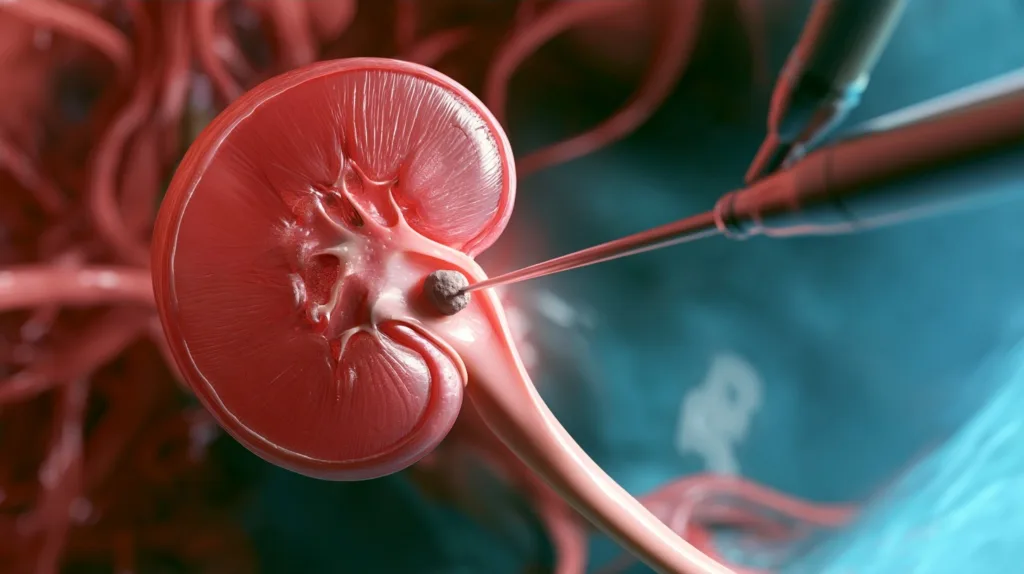
Experiencing kidney stones can be incredibly painful. These hard deposits form in your kidneys, causing severe discomfort as they travel through your urinary tract. When natural passage isn’t possible, medical intervention becomes necessary. Have you ever wondered how kidney stones can be treated without major surgery?
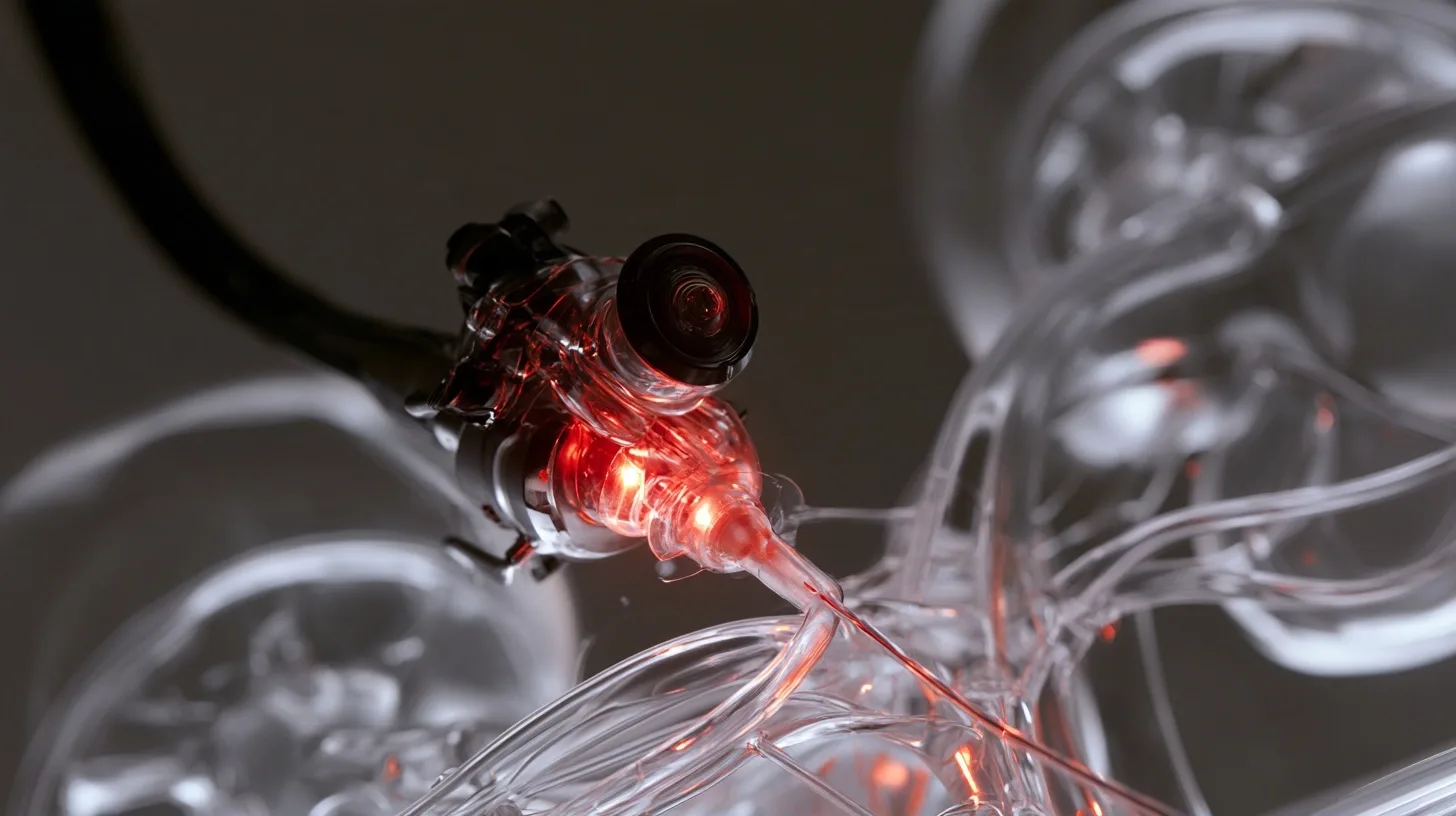
Ureteroscopy offers a minimally invasive treatment option. This procedure involves using a small, flexible tube with a camera to locate and treat stones. The camera provides a clear view of the ureter, which is the tube connecting the kidney to the bladder. This allows for precise intervention, reducing the need for traditional open surgery.
During ureteroscopy, a urologist inserts the slender instrument through the urethra and bladder, then up into the ureter. The camera guides the surgeon, helping them identify the exact location of the kidney stones. Once found, a laser can break the stones into smaller fragments. These tiny pieces can then pass naturally or be removed with a small basket-like tool.
This advanced surgery technique minimizes recovery time and reduces post-operative pain. Furthermore, it avoids incisions, making it a preferred choice for many patients. Sometimes, ultrasound technology is used in conjunction with the camera to enhance visualization. This comprehensive approach ensures effective stone removal and offers significant relief from the pain associated with kidney stones.
Understanding Kidney Stones: Signs and Symptoms
Understanding kidney stones involves recognizing their common indicators. Do you know what signs point to the presence of these mineral deposits? The most prominent symptom is often severe pain, typically in the back or side, which can radiate to the lower abdomen or groin. Other notable symptoms include blood in the urine, a persistent need to pass water, and a burning sensation during urination. Nausea and vomiting may also occur due to the intense discomfort. If you experience these issues, a medical diagnosis is crucial. Doctors use various methods for diagnosis. These include physical examination, urine tests, and advanced imaging techniques. A CT scan is frequently used to pinpoint the stone’s exact location and size. Sometimes, an ultrasound or X-ray might also be employed. Early identification helps in determining the most effective treatment plan, which may involve non-surgical options like lithotripsy, using acoustic energy to break down stones.
What is Ureteroscopy and How Does it Work?
Ureteroscopy involves a minimally invasive procedure to address renal calculi. How does this advanced medical technique function to remove these formations? A urologist inserts a slender, flexible telescope into the urinary tract. This instrument travels through the urethra and into the ureter, the tube connecting the kidney to the body’s exit point for urine. The physician performs this procedure under anesthesia. This ensures patient comfort throughout the intervention. The flexible telescope allows the specialist to visualize the kidney stones directly. Once located, small instruments can remove the stones. Alternatively, a laser can break them into tiny fragments. These smaller pieces then pass naturally from the body. This method avoids large incisions and offers a quicker recovery compared to open interventions.
Why a Ureteroscopy Might Be Recommended for Your Kidney Stone
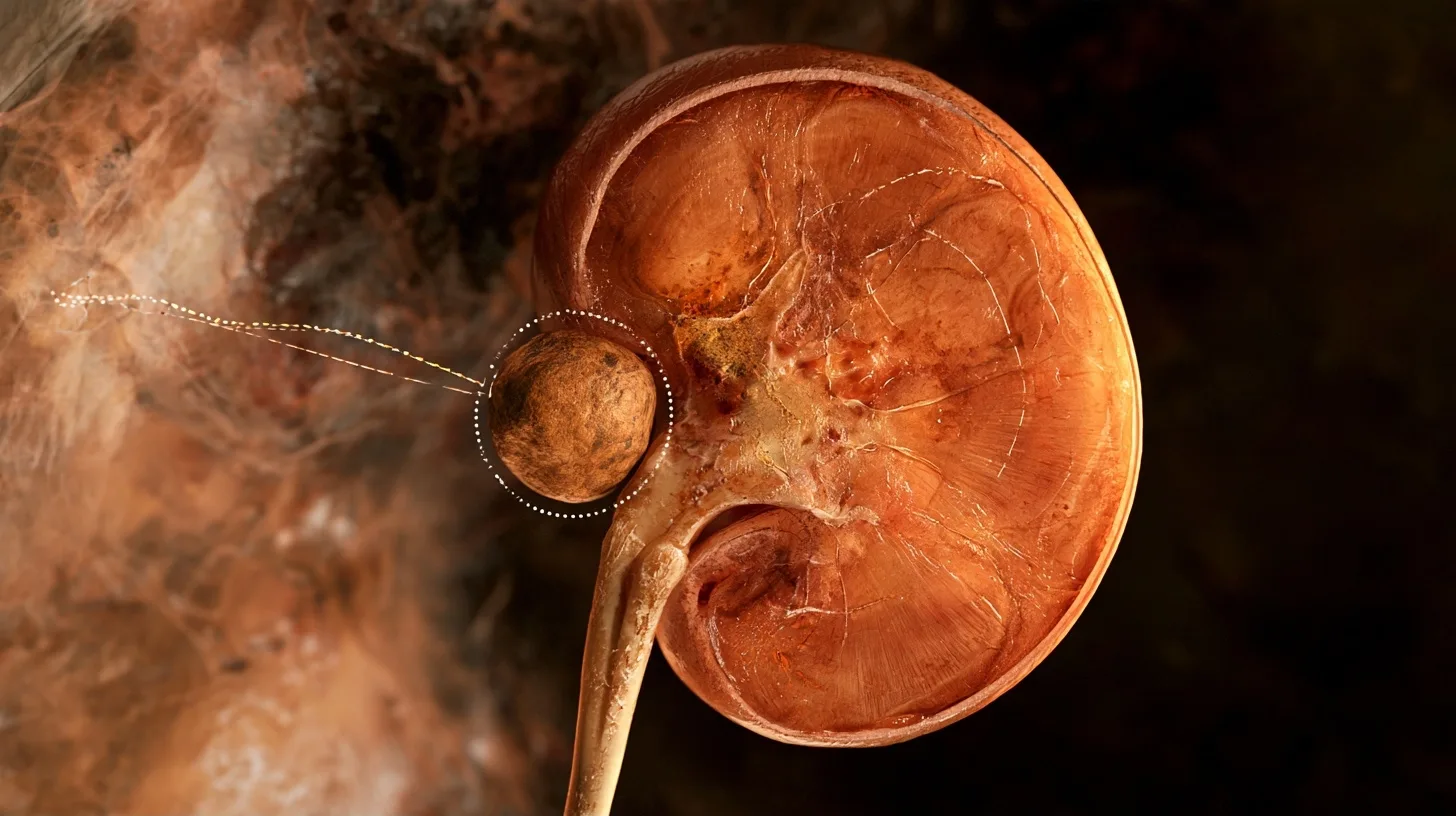
A ureteroscopy might be recommended for your kidney stone when other treatment methods are not suitable or have been unsuccessful. This approach is particularly effective for larger stones that may not pass on their own. It is also a preferred option for individuals who cannot undergo other procedures, such as those with bleeding disorders. Your doctor may suggest this procedure if the stone is located in a difficult-to-reach area within the kidney or urinary tract. Furthermore, if you have anatomical abnormalities that hinder stone passage, this method offers a targeted solution. Sometimes, a prior attempt at breaking up stones with external shockwave therapy might not fully clear the fragments. In such cases, a ureteroscopy can precisely remove remaining pieces.
Preparing for Your Ureteroscopy Procedure
Preparing for a ureteroscopy involves several important steps to ensure a smooth and effective treatment. You will receive specific instructions from your healthcare provider. These guidelines help to minimize risks and optimize the outcome of the intervention. Your doctor will review your current medications. You might need to stop certain blood-thinning agents a few days before the procedure. This precaution helps prevent excessive bleeding. You should also inform your medical team about any allergies you have. This includes reactions to anesthesia or contrast dyes. Fasting is typically required before the procedure. You will likely be asked to avoid food and drink for several hours. This is usually after midnight the night before your scheduled treatment. Following these instructions carefully is vital for your safety during the intervention.
The Ureteroscopy Procedure: What to Expect with Laser Lithotripsy
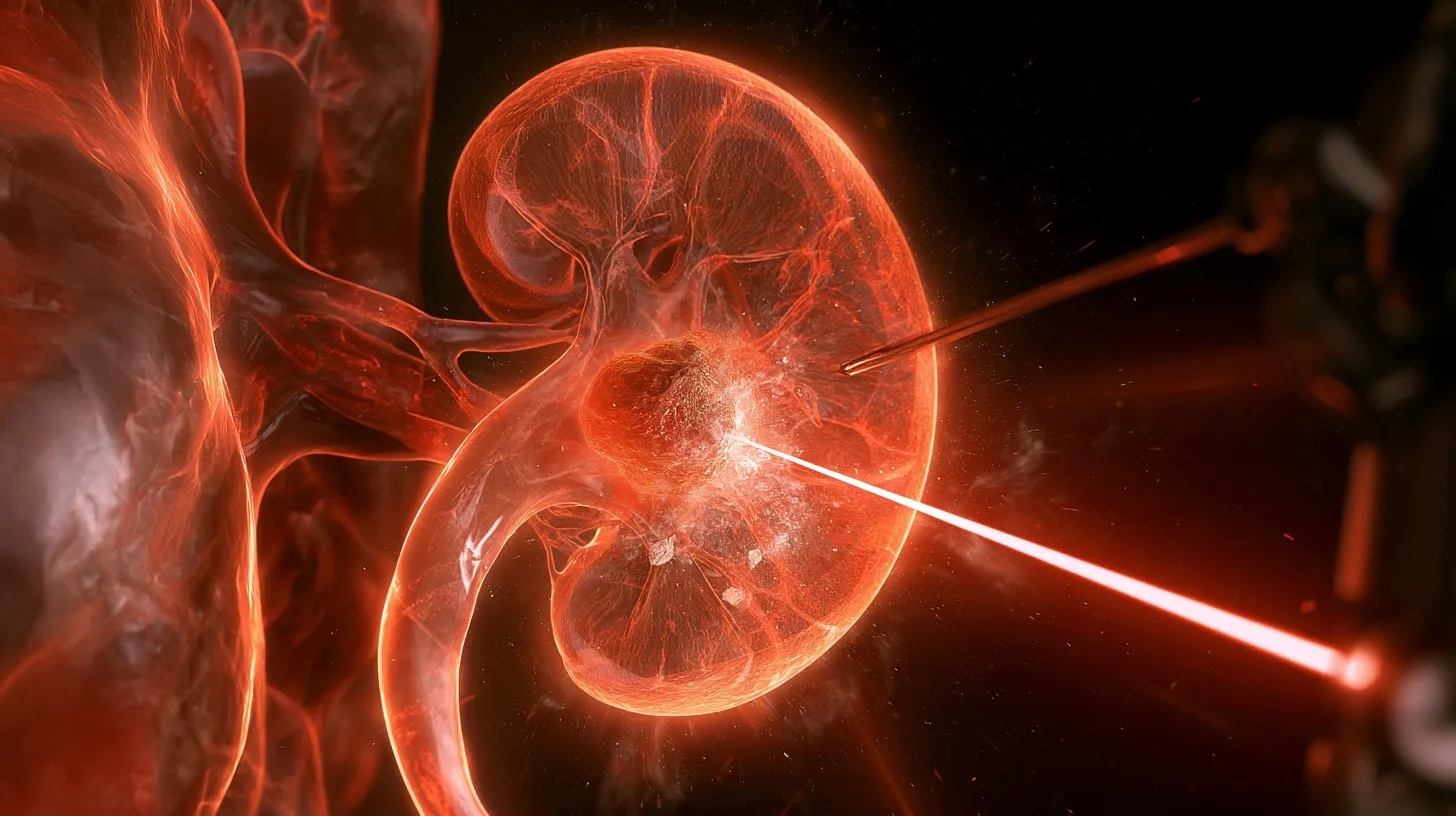
You can expect a carefully managed process when undergoing a procedure involving a tiny viewing instrument and stone-breaking technology. Physicians perform this intervention under general anesthesia, so you will be asleep and comfortable. The medical professional guides the slender scope through the natural urinary pathways to reach the kidney stone. Once the stone is located, a specialized light beam is directed at it. This powerful beam breaks the kidney stone into very small pieces. These tiny particles are then either removed with miniature grasping tools or are small enough to pass naturally from the body. You might have a temporary tube placed to help with drainage. This helps prevent swelling and ensures the passage of any remaining stone debris.
Recovery After a Ureteroscopy: What Comes Next
After a procedure involving a tiny viewing instrument, what comes next for your body? You will likely experience some discomfort following the intervention. This is a normal part of the healing process. Pain medication can help manage any soreness. You might notice blood in your discharge for a few days. This usually resolves on its own. Drinking plenty of fluids is crucial. This helps flush your system and aids in the passage of any remaining stone particles. Furthermore, your doctor may place a temporary tube to keep the passageway open. This device typically stays in place for a few days to a couple of weeks. Its removal is a quick, in-office visit. Most individuals can resume light activities within 24 to 48 hours. However, avoid strenuous exercise for about a week. Your healthcare provider will schedule a follow-up appointment. This ensures proper healing and checks for any lingering stone remnants.

Potential Risks and Complications of Ureteroscopy
What are the potential risks and complications associated with this procedure? While generally safe, some issues can arise. You might experience a urinary tract infection. Signs include burning during urination or frequent urges. Antibiotics can usually resolve these infections. Minor bleeding is also possible. This often clears up quickly. In rare instances, more significant bleeding may occur, requiring further medical attention. There is a slight chance of damage to the urinary tract. This could involve a perforation or stricture. Such complications might necessitate additional interventions. Sometimes, the stone cannot be fully cleared in one session. You might need another procedure to remove all the stone material. Always discuss any concerns with your healthcare provider. For instance, sometimes a doctor might recommend other stone removal options, such as those used for no-bake chocolate PB bars, but in a medical context, different methods apply.

Advanced Imaging for Kidney Stones: Beyond Initial Diagnosis
How can a kidney stone be assessed through advanced imaging, beyond the initial diagnosis? After a stone is initially detected, further imaging helps guide the next steps. These advanced scans provide detailed views of the stone’s size, location, and composition. They also reveal any anatomical abnormalities that could affect its removal. Computerized tomography (CT) scans are frequently employed. These scans offer three-dimensional images, which are crucial for planning the intervention. They help determine the best approach for accessing and removing the stone. Magnetic resonance imaging (MRI) is another option, particularly for individuals who need to limit radiation exposure. These detailed images ensure precise targeting during the procedure. This meticulous planning is key for a successful outcome.
FAQ: Treating Kidney Stones with a Tiny Camera
What is Ureteroscopy?
This procedure involves inserting a slender, lighted instrument into the urinary tract. It allows medical professionals to view and address issues within the renal system. This method helps manage various conditions, including kidney calculi.
How is a ureteroscopy performed for kidney stones?
A thin, lit scope is gently guided through the urethra and into the organ leading to the kidney. Once the calculi are located, a small device, often a fiber, delivers energy to break them into smaller pieces. These smaller pieces are then removed or passed naturally. This approach is highly effective for stone removal.
What are the risks of ureteroscopy?
While generally safe, potential complications include infection, bleeding, or injury to the urinary pathway. There is also a small chance of needing another intervention if all the deposits cannot be cleared in one session. Discuss any concerns with your healthcare provider.
How long is recovery after ureteroscopy?
Most individuals return to normal activities within a few days. You might experience some discomfort or blood in your discharge initially. Following post-procedure instructions, such as drinking plenty of fluids, helps ensure a smooth recuperation. For other health-related topics, you can explore resources like High Protein Cinnamon Rolls for Healthy Breakfasts.
Is ureteroscopy a painful procedure?
The procedure itself is performed under anesthesia, so you will not feel any discomfort during the process. Afterward, you might experience mild to moderate pain or a burning sensation during urination, which can be managed with prescribed medication. You can also learn more about No Bake Cheesecakes Made Perfectly Simple at Home for delicious, easy-to-make desserts.