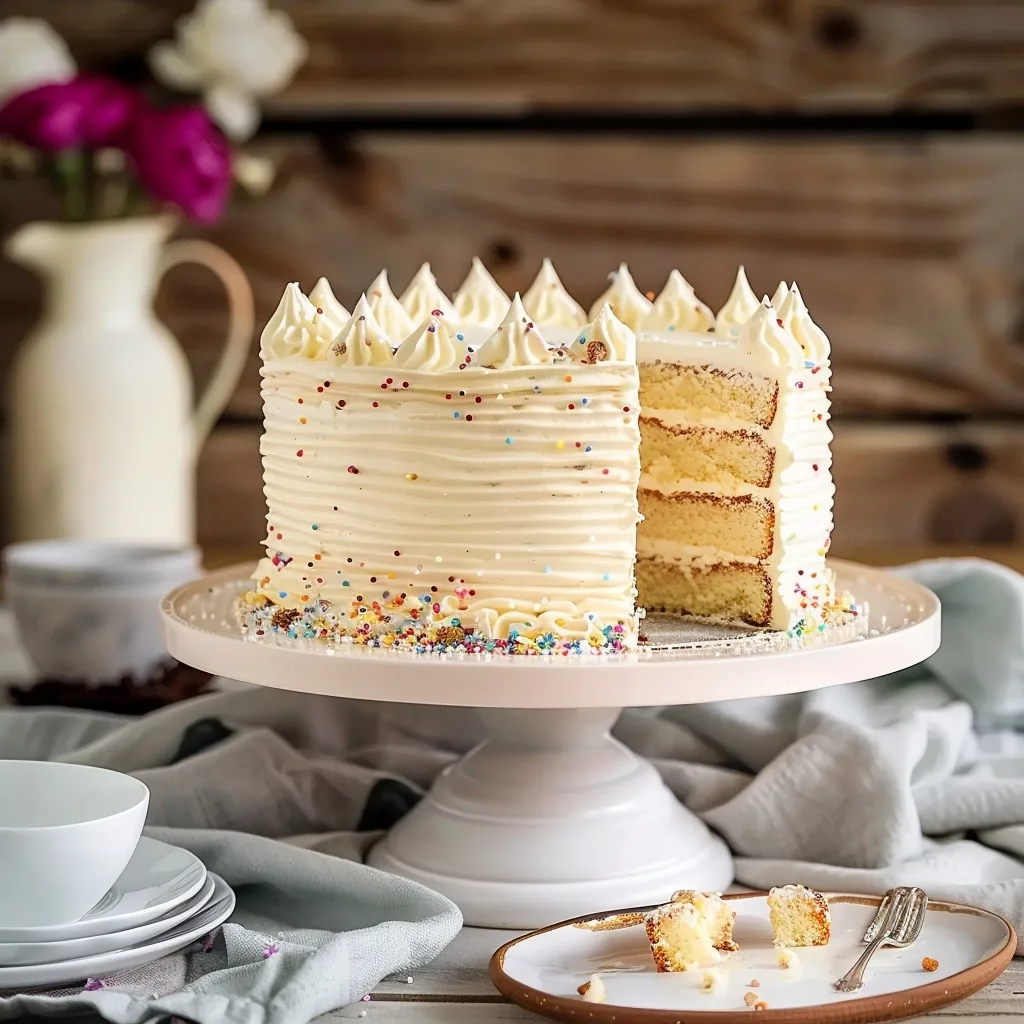
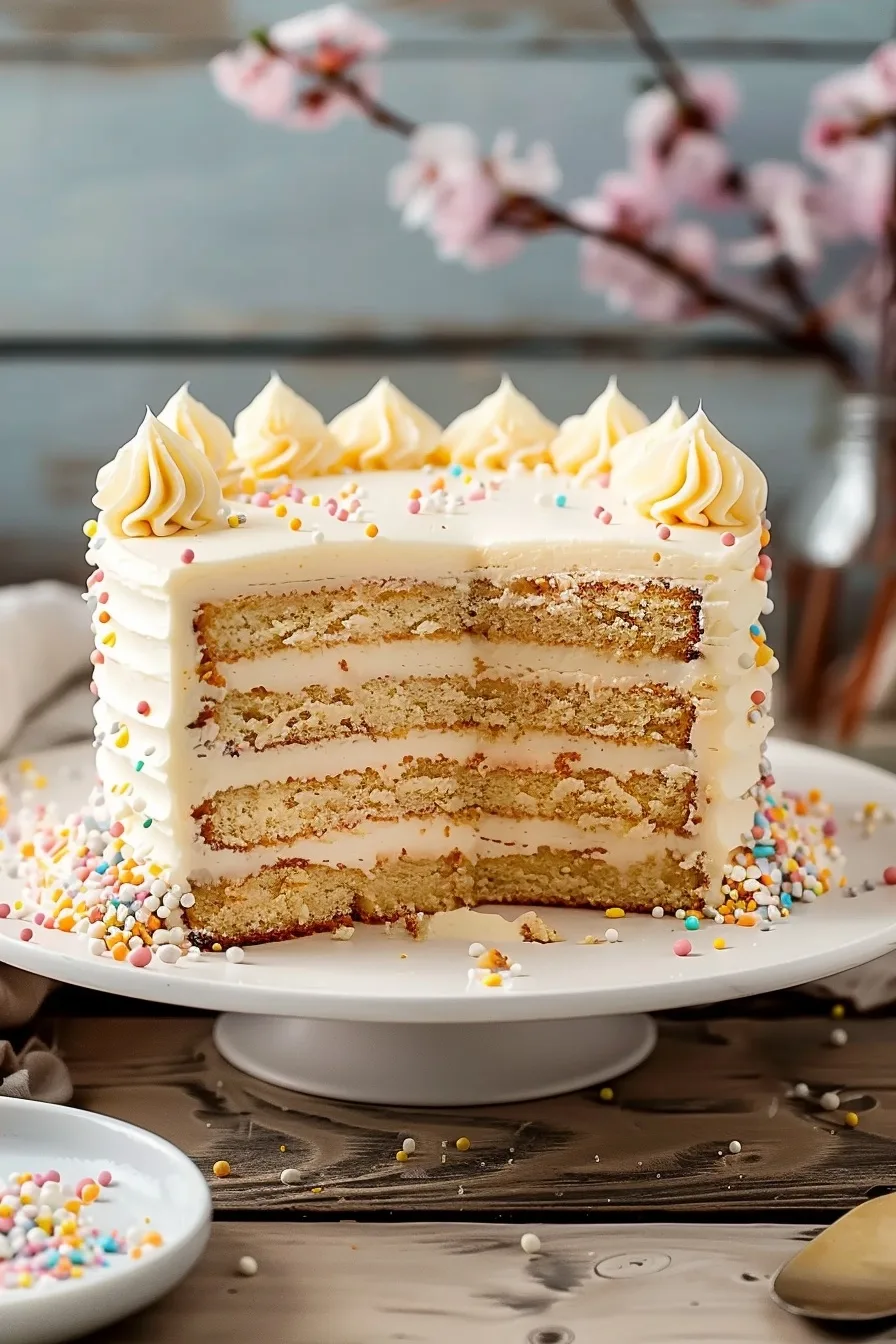
This soft homemade vanilla layer cake is the epitome of classic comfort baking. It features a tender, moist crumb and a delicate, pure vanilla flavor that makes it universally adored. Achieving this level of perfection from scratch is easier than you might think.
Why This Recipe Works
This recipe is designed for an exceptionally soft and moist vanilla cake. The precise ratio of butter to sugar, combined with the leavening power of baking powder, ensures a light texture. Using whole milk contributes to the cake’s moisture and richness, while softened butter creates an ideal emulsion for a tender crumb.
My personal experience with this vanilla cake recipe always yields incredible results. The key is not to overmix the batter once the flour is added, which prevents gluten development and keeps the cake tender. Letting the butter and sugar cream properly also incorporates air, leading to that sought-after fluffy consistency after baking.
Ingredients
| Ingredient | Quantity | Notes |
|---|---|---|
| All-purpose flour | 2 1/4 cups | Sifted for a lighter texture. |
| Baking powder | 1 1/2 teaspoons | Ensure it’s fresh for proper leavening. |
| Salt | 1/2 teaspoon | Enhances all other flavors. |
| Unsalted butter | 1 cup (2 sticks) | Must be softened to room temperature. Use high-quality butter. |
| Granulated sugar | 1 3/4 cups | Fine granulated sugar is best for creaming. |
| Large eggs | 3 | Room temperature eggs incorporate better. |
| Pure vanilla extract | 1 tablespoon | Use pure extract for the best flavor. Avoid imitation. |
| Milk | 1 1/4 cups | Whole milk provides the best moisture. (See Variations for alternatives.) |
Step-by-Step Instructions
Preparation
- Preheat your oven to 350°F (175°C).
- Grease and flour two 8-inch round cake pans thoroughly. Alternatively, line the bottoms with parchment paper.
Combine Dry Ingredients
- In a medium bowl, whisk together the sifted all-purpose flour, baking powder, and salt until well combined.
Cream Butter and Sugar
- In a large bowl, cream together the softened unsalted butter and granulated sugar using an electric mixer on medium-high speed until the mixture is pale yellow and fluffy, about 3-5 minutes.
Add Eggs and Vanilla
- Beat in the large eggs one at a time, ensuring each egg is fully incorporated before adding the next.
- Stir in the pure vanilla extract until just combined.
Alternate Wet and Dry Ingredients
- Reduce the mixer speed to low. Gradually add the dry ingredients to the wet ingredients, alternating with the milk. Begin and end with the dry ingredients, mixing until just combined after each addition. Do not overmix.
Bake the Cakes
- Divide the batter evenly between the two prepared cake pans. Smooth the tops with a spatula.
- Bake in the preheated oven for 30-35 minutes.
- Check for doneness by inserting a wooden skewer or toothpick into the center of the cakes; it should come out clean.
Cooling
- Let the cakes cool in the pans on a wire rack for 10 minutes.
- Carefully invert the cakes onto the wire rack and remove the pans. Allow the cakes to cool completely before frosting.
Chef Tips for Perfect Results
- Room Temperature Ingredients: Always use room temperature butter, eggs, and milk. This ensures they emulsify properly, creating a smoother batter and a more tender cake.
- Proper Creaming: Creaming butter and sugar until light and fluffy is critical. This step incorporates air, which is essential for a light and airy cake texture.
- Gentle Mixing: Once flour is added, mix only until just combined. Overmixing develops gluten, leading to a tough cake.
- Even Baking: Ensure your oven temperature is accurate. Use an oven thermometer if necessary. Rotate cake pans halfway through baking for uniform results.
- Cooling Completely: Frosting a warm cake is disastrous. Allow cakes to cool to room temperature so the frosting doesn’t melt.
Common Mistakes to Avoid
- Overmixing the Batter: This develops gluten, resulting in a tough and dense cake. Fix: Mix dry ingredients into wet ingredients just until no streaks of flour remain.
- Using Cold Ingredients: Cold butter, eggs, or milk don’t emulsify well, leading to a greasy or curdled batter and a less tender cake. Fix: Ensure all dairy and eggs are at room temperature.
- Opening the Oven Door Too Soon: This can cause the cake to sink in the middle. Fix: Resist the urge to check on the cake until the minimum baking time has elapsed.
- Improperly Measuring Flour: Scooping flour directly from the bag can pack too much in, making the cake dry. Fix: Spoon flour into the measuring cup and level off with a straight edge.
Variations and Substitutions
| Ingredient | Substitution | Impact on Flavor |
|---|---|---|
| Whole milk | Almond milk, soy milk, or oat milk | May slightly alter richness; almond milk can add a subtle nutty note. |
| All-purpose flour | Cake flour (measure by weight) | Yields an even more tender and delicate crumb. Reduce liquid slightly if needed. |
| Granulated sugar | Caster sugar | Dissolves more easily for a smoother batter. |
| Unsalted butter | Vegetable shortening | Cake may be slightly less rich but still tender. Ensure it’s softened. |
Serving Suggestions and Pairings
This soft homemade vanilla layer cake is perfect for birthdays, anniversaries, or any special celebration. It pairs beautifully with a classic vanilla buttercream frosting or a rich chocolate ganache. For a lighter option, serve with fresh berries and a dollop of whipped cream. A warm cup of herbal tea or coffee is a delightful accompaniment.
Storage and Reheating
| Method | Duration | Instructions |
|---|---|---|
| Room Temperature | 2-3 days | Store unfrosted or fully frosted cake in an airtight container at room temperature. |
| Refrigeration | 4-5 days | Store in an airtight container. Bring to room temperature before serving for best texture. |
| Freezing | 1-2 months | Wrap cooled cake layers tightly in plastic wrap, then foil. Thaw at room temperature. |
Nutritional Information
| Nutrient | Amount per Serving |
|---|---|
| Calories | Approximate values. |
| Protein | 7g |
| Fat | 25g |
| Carbohydrates | 55g |
| Fiber | 2g |
| Sugar | 35g |
| Sodium | 250mg |
Frequently Asked Questions
How do I make vanilla cake denser?
Reduce the amount of baking powder in the recipe by half a teaspoon. Avoid over-creaming the butter and sugar to limit air incorporation. Mix your dry ingredients into the wet components until just combined.
How can I tell when my vanilla cake is done baking?
A cake is done when a wooden skewer or toothpick inserted into the center comes out clean. The edges of the cake will also start to pull away slightly from the sides of the pan. The top should spring back lightly when touched.
What if my vanilla cake sinks in the middle?
A sinking cake is typically caused by underbaking or opening the oven door too early. Ensure the cake is fully baked through by doing the skewer test. Avoid disturbing the oven during the initial baking phase.
Can I bake vanilla cake layers ahead of time?
Yes, you can bake cake layers one day in advance. Let them cool completely on a wire rack, then wrap them tightly in plastic wrap. Store them at room temperature for up to 24 hours before frosting.
What frosting is best for a soft homemade vanilla cake?
A classic vanilla buttercream is an excellent pairing for this soft cake. Cream cheese frosting also complements the vanilla flavor beautifully. For a richer contrast, consider a smooth chocolate ganache or a light whipped cream frosting.
Conclusion
Mastering the soft homemade vanilla layer cake brings a sense of accomplishment and delicious joy. This recipe provides a reliable foundation for a tender, flavorful cake that will impress. Embrace the simple elegance of pure vanilla flavor and create a memorable dessert. Its versatility makes it a cherished addition to any baker’s repertoire.
Print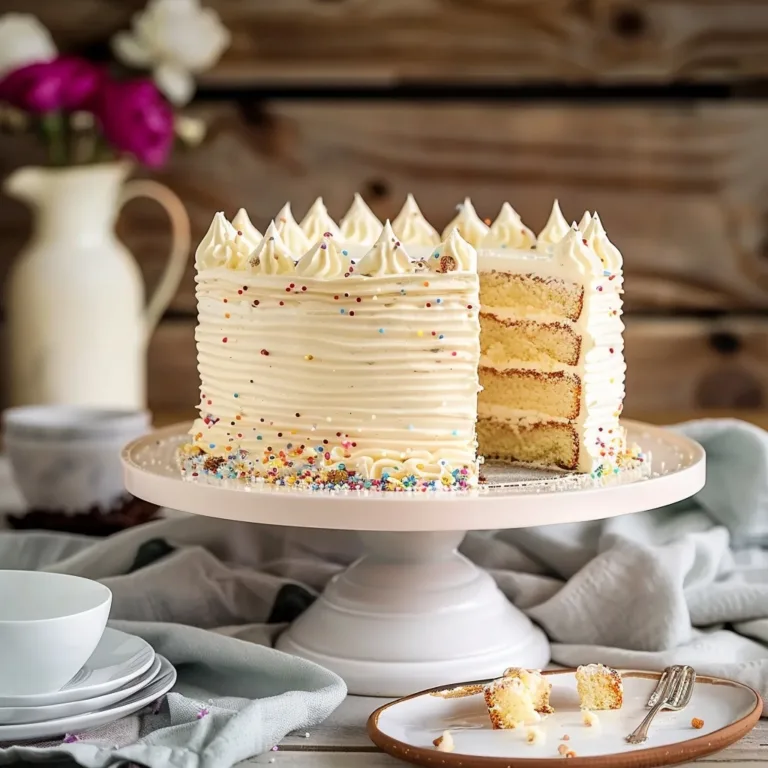
Soft Homemade Vanilla Layer Cake
This tender, moist, and pure vanilla layer cake is the classic definition of comfort baking. With a perfect balance of butter, sugar, and whole milk, it delivers a light yet rich flavor that’s universally cherished.
- Total Time: 50
- Yield: 1 two-layer 8-inch cake 1x
Ingredients
2 1/4 cups all-purpose flour
1 1/2 teaspoons baking powder
1/2 teaspoon salt
1 cup (2 sticks) unsalted butter, softened
1 3/4 cups granulated sugar
3 large eggs, room temperature
1 tablespoon pure vanilla extract
1 1/4 cups whole milk
Instructions
Preheat your oven to 350°F (175°C)
Grease and flour two 8-inch round cake pans thoroughly. Alternatively, line the bottoms with parchment paper
In a medium bowl, whisk together the sifted all-purpose flour, baking powder, and salt until well combined
In a large bowl, cream together the softened unsalted butter and granulated sugar using an electric mixer on medium-high speed until the mixture is pale yellow and fluffy, about 3-5 minutes
Add the eggs, one at a time, mixing well after each addition
Beat in the vanilla extract
Alternately add the flour mixture and milk to the butter mixture, beginning and ending with the flour. Gently fold and mix until just combined. Avoid overmixing after the flour is added to prevent gluten development
Divide the batter evenly between the prepared pans
Bake for 25-30 minutes or until a toothpick inserted into the center comes out clean
Cool the cakes in the pans for 10 minutes, then remove from the pans and place on a wire rack to cool completely before frosting
Notes
Use high-quality pure vanilla extract for the best flavor. Avoid imitation vanilla.
For a richer texture, use whole milk. For a lighter version, you may substitute with 2% milk.
Do not overmix the batter after adding the flour to ensure a tender crumb.
For best results, chill the cake layers before frosting to make them easier to cut and handle.
- Prep Time: 20
- Cook Time: 30
- Category: Classic American Cake Recipes
- Method: Baking
- Cuisine: American
- Diet: Vegetarian
Nutrition
- Serving Size: One slice (1/8 of the cake)
- Calories: 320
- Sugar: 25g
- Sodium: 300mg
- Fat: 12g
- Saturated Fat: 7g
- Carbohydrates: 40g
- Fiber: 0g
- Protein: 4g
- Cholesterol: 85mg