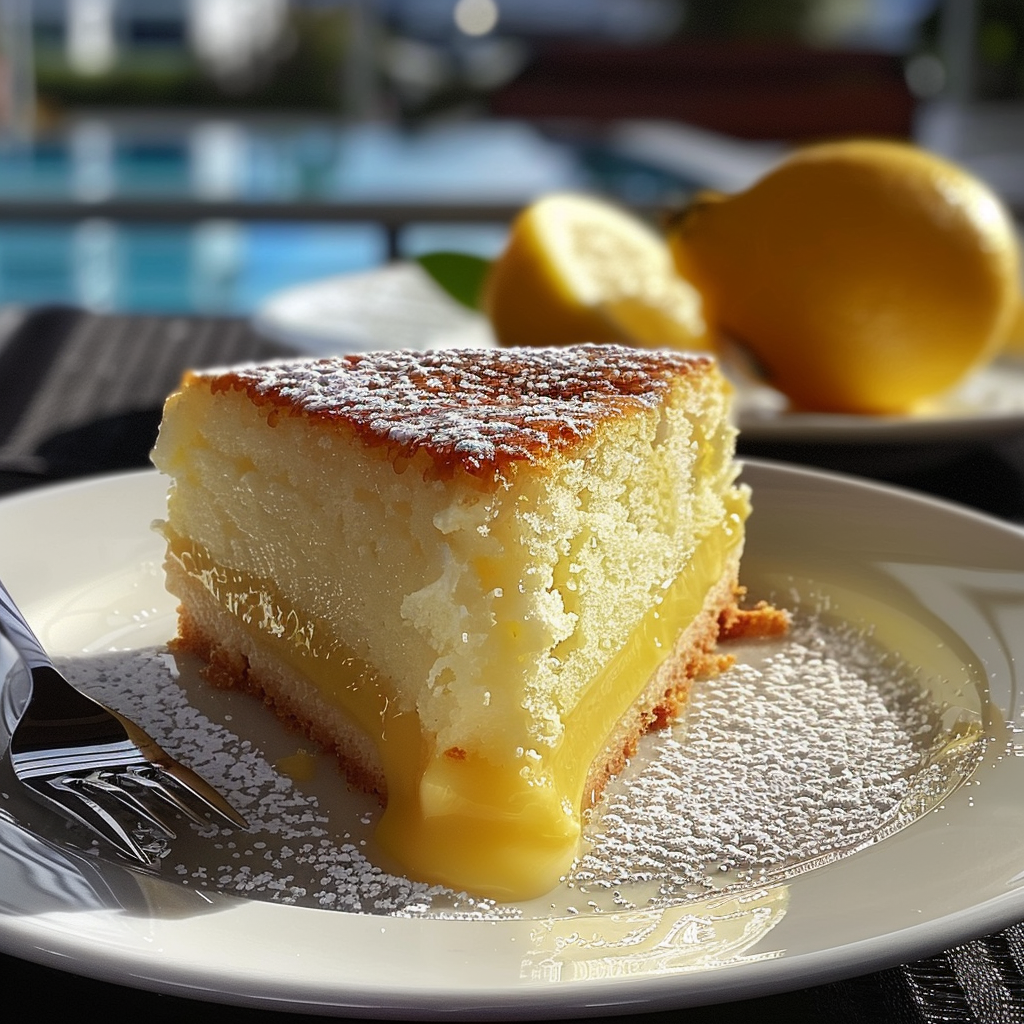
Imagine slicing into a sponge so tender it crumbles like silk, releasing a custard filling that transforms at room temperature into liquid gold. This lemon custard cake achieves that rare balance of structure and melt-in-your-mouth magic by combining precise flour ratios with a custard base infused with freshly grated zest. The result? A dessert that becomes your new ‘I-didn’t-even-need-buttercream’-type-of-excellent.
The Secret to a Fluffy and Tangy Lemon Cake
The foundation begins with a 3:1 ratio of cake flour to confectioners’ sugar, which creates air pockets without industrial aeration. Zest your lemons yourself for maximum flavor release—the microshavings of citrus peel bind with the egg yolks into a custard emulsion, while the juice (measured precisely at 2 tablespoons) prevents the cake from drying out during the 35-minute bake. This technique is borrowed from mille crepe principles but adapted for home bakers.
Sophisticated Baking Tips for Texture Perfection
For a professional crumb, whisk the eggs and sugar over a double boiler until you can draw an ‘8’ through the ribbon on your whisk. When folding in the flour, maintain a figure-eight motion to preserve air bubbles. If your kitchen is warm, chill the cake layers in the refrigerator while preparing the custard—this creates the cleanest, non-soggy interfaces between layers.
Custard Filling that Changes as it Warms
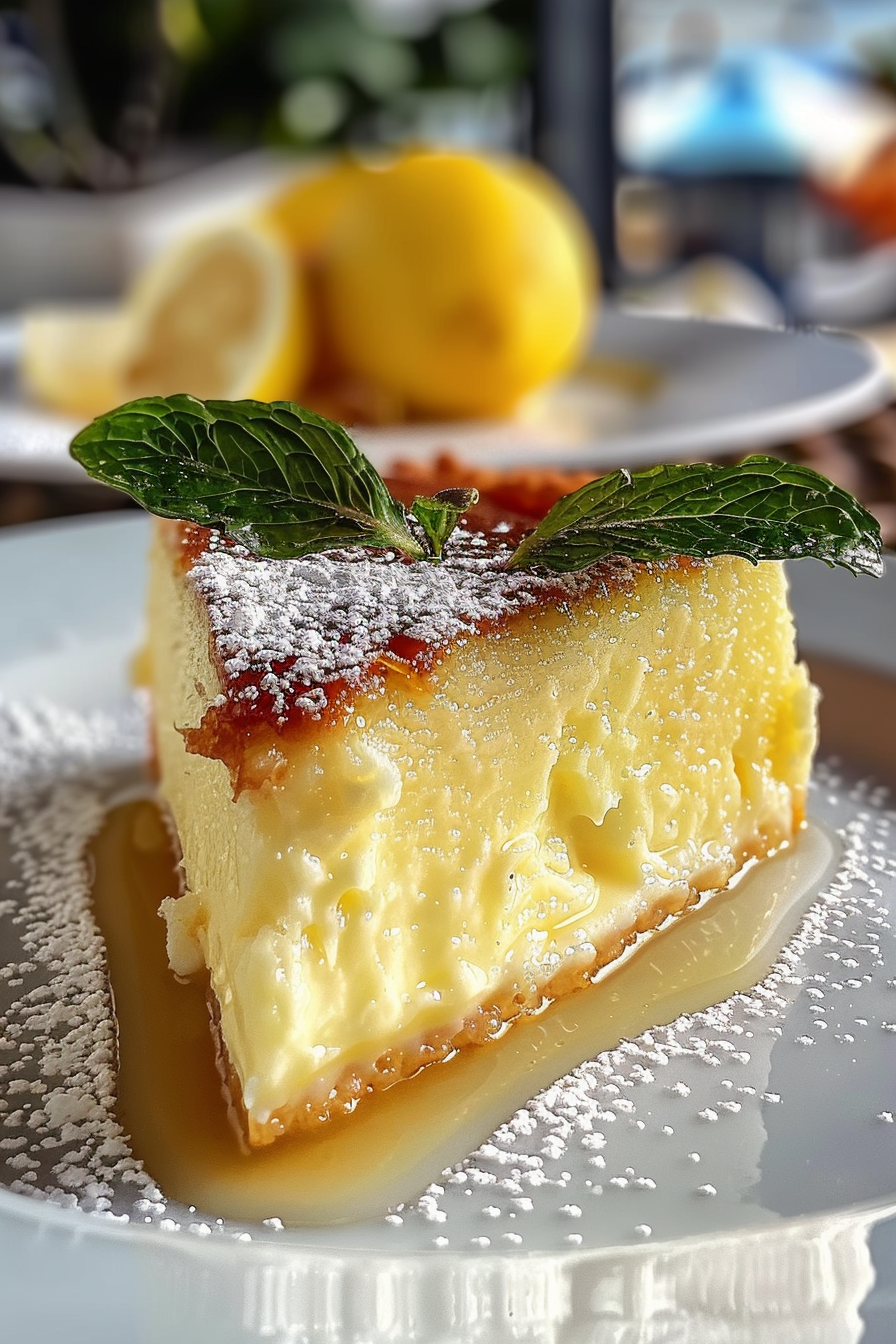
The custard filling acts like a temperature-sensitive glaze: at room temperature, it remains a glossy balm that clings to the sponge. As it warms under the cake dome, however, it fuses into a molten core that seeps into the cake structure. The key is using a 2:1:1 proportion of whole milk to egg yolks to cornstarch, cooked just until it thickens around your finger.
How to Achieve Culinary ‘Wow’ Factors
Incorporate these subtle upgrades: toast the sugar when making the custard for caramel notes, or dust the top with powdered sugar using a pastry sifter. For extra indulgence, layer the cake between pineapple rings (canned is fine) before adding custard—this triple threat of textures qualifies as dessert innovation.
Common Mistakes and How to Fix Them
1. Peak the cake testing too soon? Insert the toothpick 2 inches from the edge. 2. Rushing the custard reduction? Simmer gently to avoid scrambling. 3. Cutting the cake before 30 minutes? Let it rest to maintain height. These fixes keep your cake Instagram-ready and professionally structured.
Variations for Different Occasions
For spring picnics, frost with whipped cream and add fresh raspberries. Holiday versions work neatly frozen—slice layers and flash-freeze between parchment paper for easy assembling. Gluten-free bakers can use a 1:1 almond flour cake mix for the same melt-in-your-mouth effect.
Why This Recipe Belongs in Your Repertoire
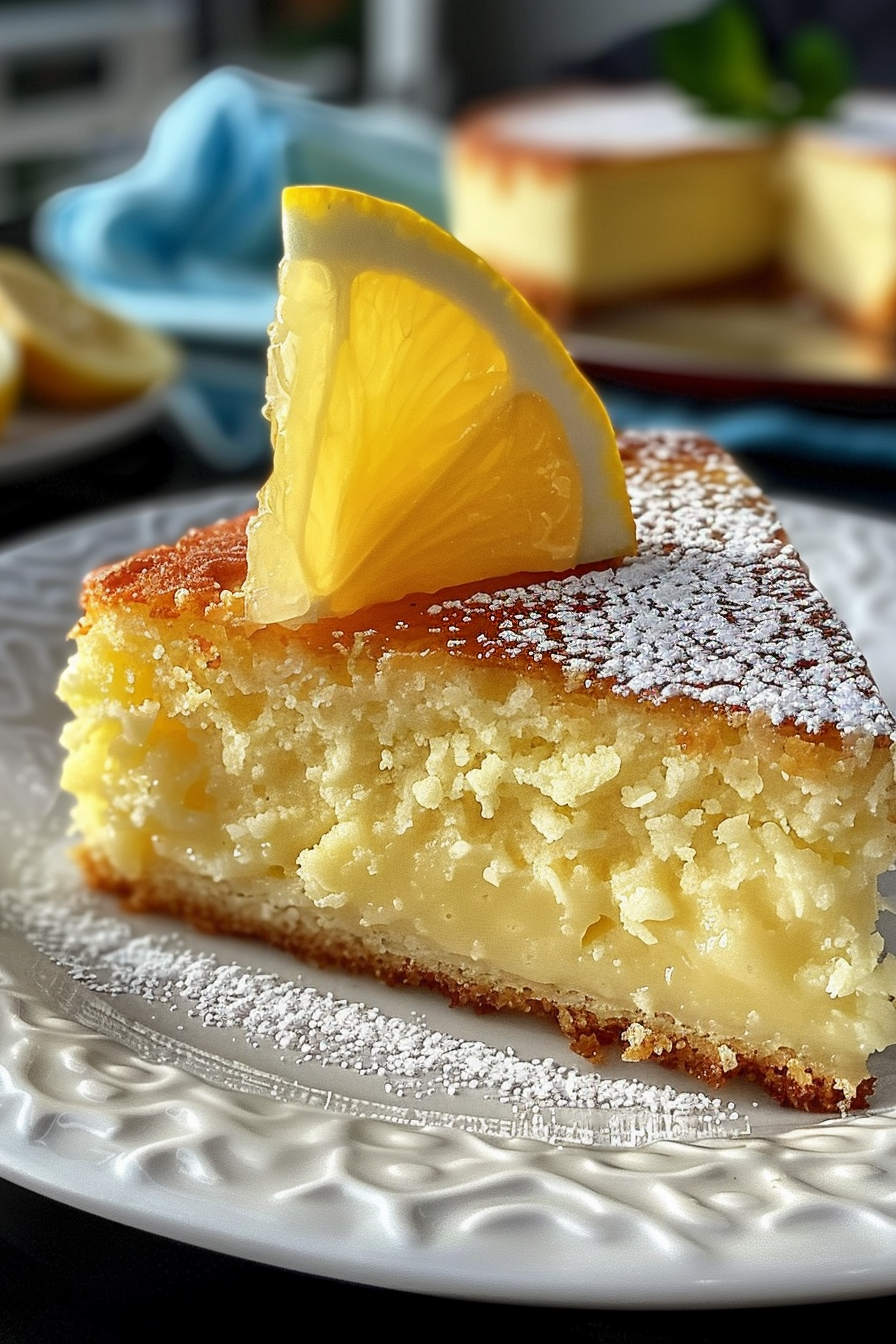
Baked properly, this cake defies conventional expectations of custard desserts. It avoids common pitfalls of sogginess or over-sweetness by relying on scientific ratios rather than guesswork. Each bite delivers that impossible-to-forget combination of grainy and silken textures that makes dessert bookishies gush about ‘texture contrast.’
FAQs About the Perfect Lemon Custard Cake
Have questions about the technique or how to troubleshoot this recipe? Here are answers to some of the most common queries:
Can I Make This Contain Dairy?
Absolutely! Substitute whole milk with a 50/50 coconut milk and oat milk blend. The custard thickens slightly more but maintains the tender balance. For hardened Texture, whip the coconut milk first to add body.
How Long Will the Custard Last in the Filling?
The cake itself keeps for 4 days, but the custard layer begins transforming after 24 hours at room temperature. For longer storage, keep layers separate and assemble only when serving to maintain that melting effect.
How Many Layers Should This Cake Have?
Three 6-inch layers create optimal texture contrast without sogginess. Thicker layers (8 inches) risk the custard becoming a pool rather than a balm. Use a protractor to ensure precise 90-degree layering spacing.
Final Baking Ritual
Bake this in an electric oven at 325°F preheated to 330°F—this 5°F disparity helps the custard stabilize while the cake rises. Let the silent final 5 minutes of baking create microscopic air pockets under the custard. When the toothpick test fails twice in a row, your cake is ready. Take temperature readings at 120°F internal (spoon inserted 1 inch into side) for perfect doneness.
Print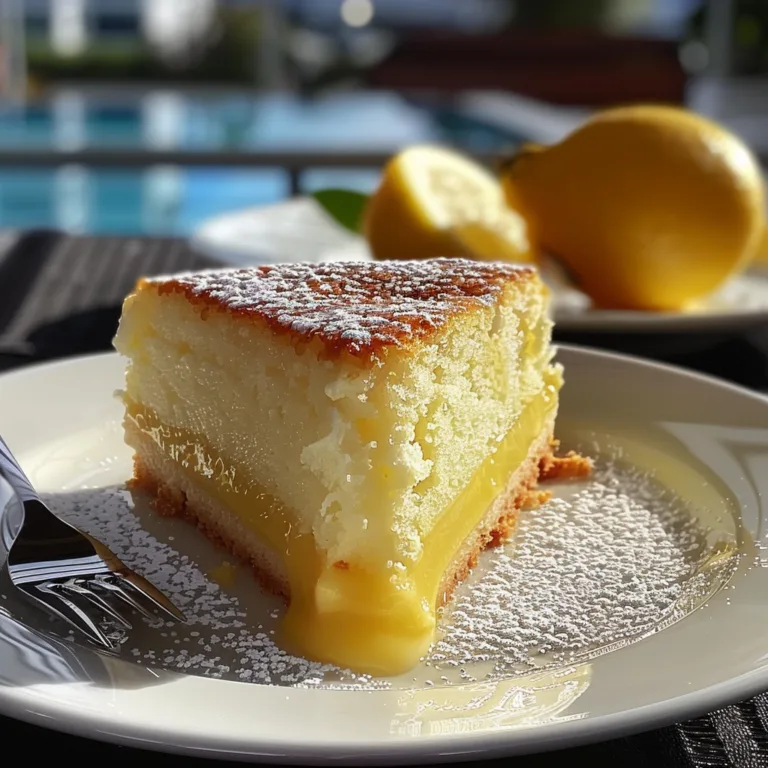
Lemon Custard Cake That Melts in Your Mouth
A tender sponge cake with a custard filling that transforms into molten gold. Balanced citrus tang and airy texture make this a standout dessert for any occasion.
- Total Time: 65
- Yield: 8 servings 1x
Ingredients
3 cups cake flour
1 cup confectioners’ sugar
4 large egg whites
2 tablespoons lemon juice
Zest of 4 lemons
2 cups whole milk
4 egg yolks
1/2 cup cornstarch
1 cup granulated sugar (toasted for caramel notes)
Optional: canned pineapple rings for layering
Instructions
Preheat oven to 350°F (175°C)
Whisk egg whites and confectioners’ sugar over double boiler until forming a ribbon
Fold in 3 cups cake flour using a figure-eight motion
Pour batter into 9-inch cake pan
Bake 35 minutes until toothpick inserted 2 inches from edge comes out clean
Chill cake layers in refrigerator while preparing custard
For custard: Toast 1 cup sugar in pan until golden
Add 2 cups whole milk, 4 egg yolks, 1/2 cup cornstarch
Cook gently, stirring until thickened around finger
Lay cooled cake layers with custard in between
Optionally sandwich with pineapple rings and refrigerate until set
Notes
Chilling layers prevents sogginess
Layering with pineapple adds triple threat texture
Gluten-free option: substitute cake flour 1:1 with almond flour
For spring picnics, top with whipped cream and raspberries
Freeze assembled layers for holiday use
- Prep Time: 30
- Cook Time: 35
- Category: Cakes & Pastries
- Method: Baking
- Cuisine: American
- Diet: Vegetarian
Nutrition
- Serving Size: 1 slice
- Calories: 420
- Sugar: 45g
- Sodium: 80mg
- Fat: 12g
- Saturated Fat: 6g
- Carbohydrates: 68g
- Fiber: 1g
- Protein: 6g
- Cholesterol: 140mg