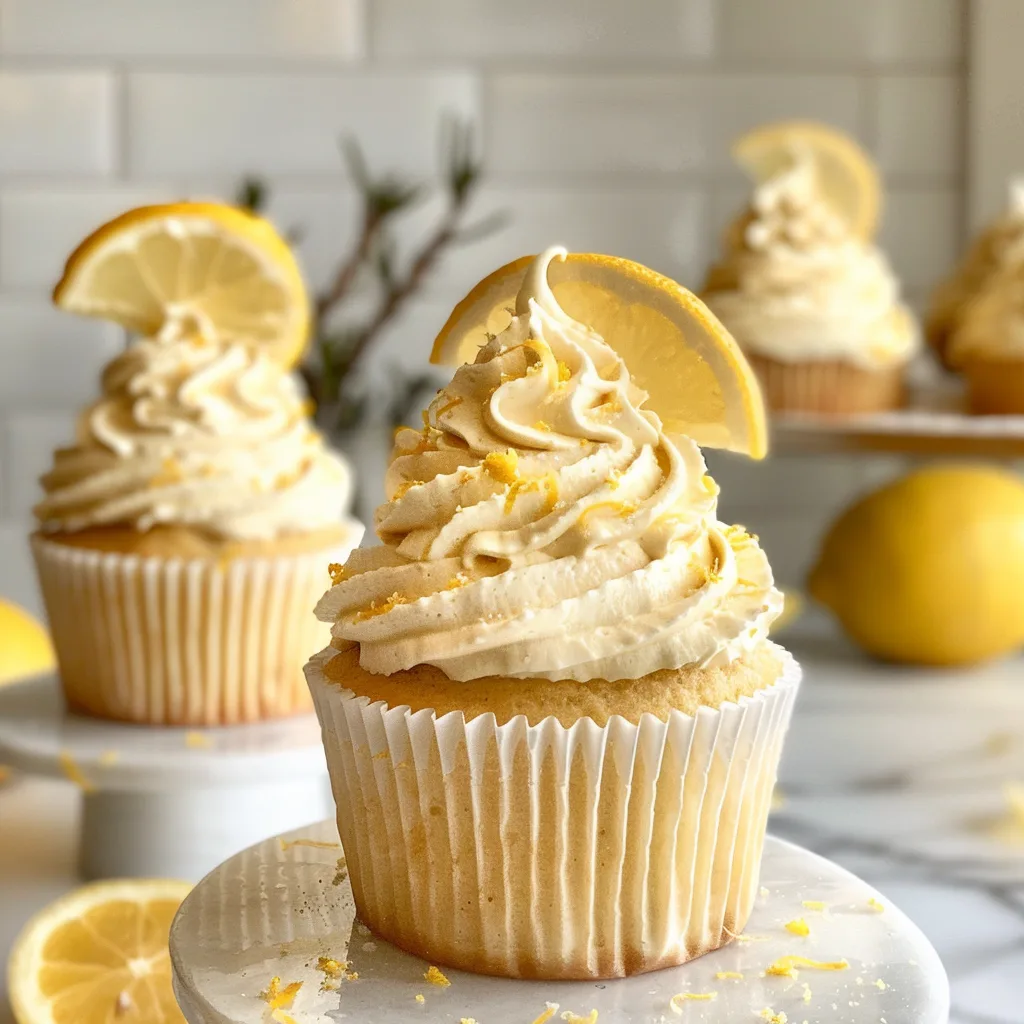
Discover the ultimate recipe for the best creamy lemon buttercream frosting. This delightful frosting delivers a perfect balance of sweet, tangy lemon flavor with a rich, velvety texture that elevates any baked good. Achieving this perfect citrus frosting is straightforward with this detailed guide.
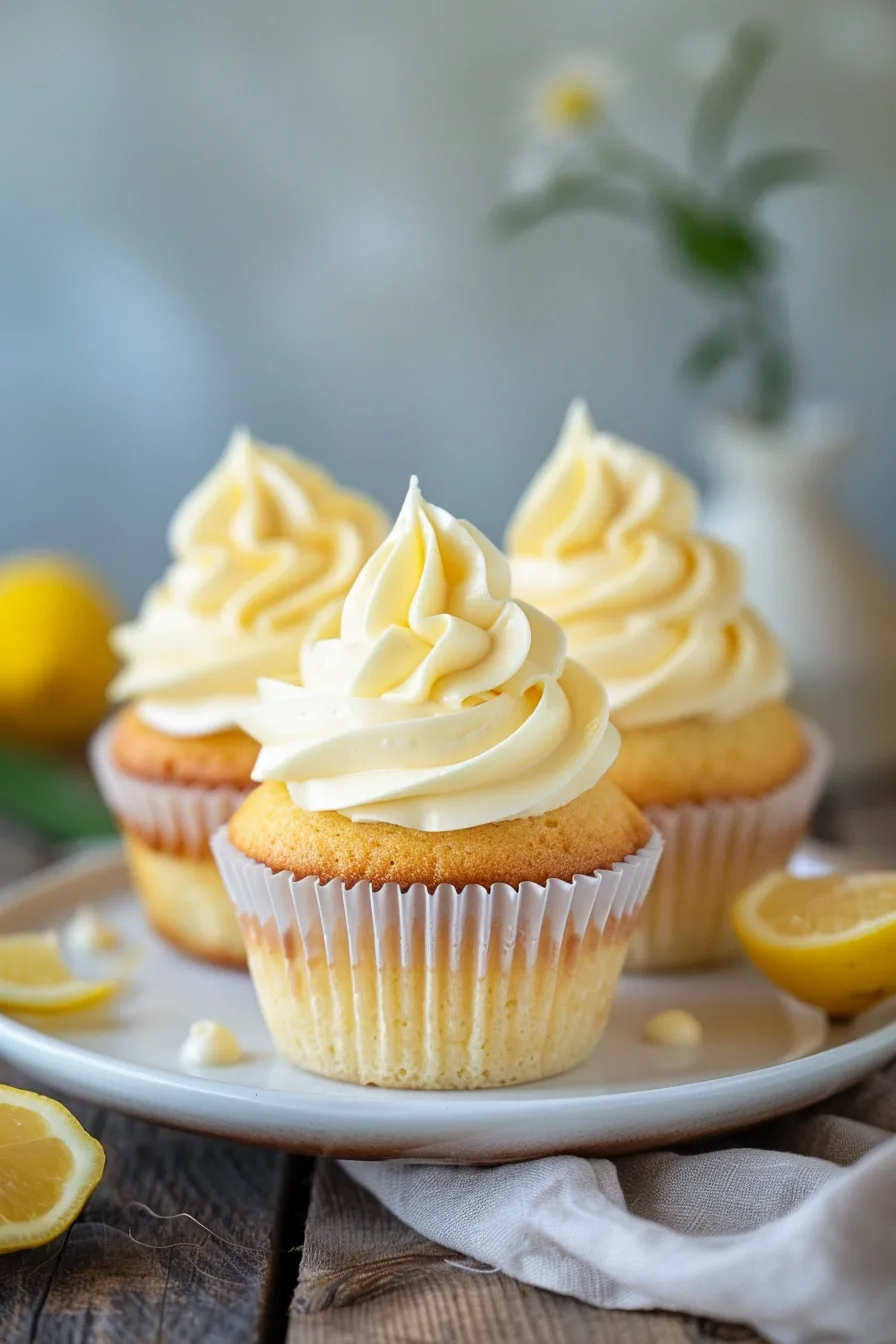
Why This Recipe Works
This lemon buttercream frosting recipe succeeds because it uses softened butter and sifted confectioners’ sugar to create a smooth, lump-free base. The addition of fresh lemon juice and zest provides an authentic, vibrant citrus flavor without being overpowering. Balancing the liquid ingredients with the sugar ensures a stable, spreadable frosting that holds its shape beautifully.
The precise ratio of confectioners’ sugar to butter is key to achieving that coveted creamy consistency. Using only a touch of heavy cream or milk allows for easy adjustment of the frosting’s thickness without diluting the essential lemon flavor. This recipe is a testament to how simple, high-quality ingredients can yield extraordinary results.
Ingredients
| Ingredient | Quantity | Notes |
|---|---|---|
| Unsalted Butter | 1 cup (2 sticks or 227g) | Must be softened to room temperature for best creaming. Use high-quality butter for superior flavor. |
| Confectioners’ Sugar | 4 cups (480g) | Sifted to prevent lumps and ensure a smooth texture. Also known as powdered sugar. |
| Fresh Lemon Juice | 1/4 cup (60ml) | Freshly squeezed juice is crucial for bright flavor. Avoid bottled lemon juice. |
| Lemon Zest | 1 teaspoon | Zest from about 1-2 small lemons. Use a microplane for fine zest. |
| Heavy Cream or Milk | 2-3 tablespoons | Adjusts consistency. Heavy cream yields a richer frosting, milk is a lighter option. |
| Salt | 1/4 teaspoon | Enhances flavors and balances sweetness. Sea salt or kosher salt are good options. |
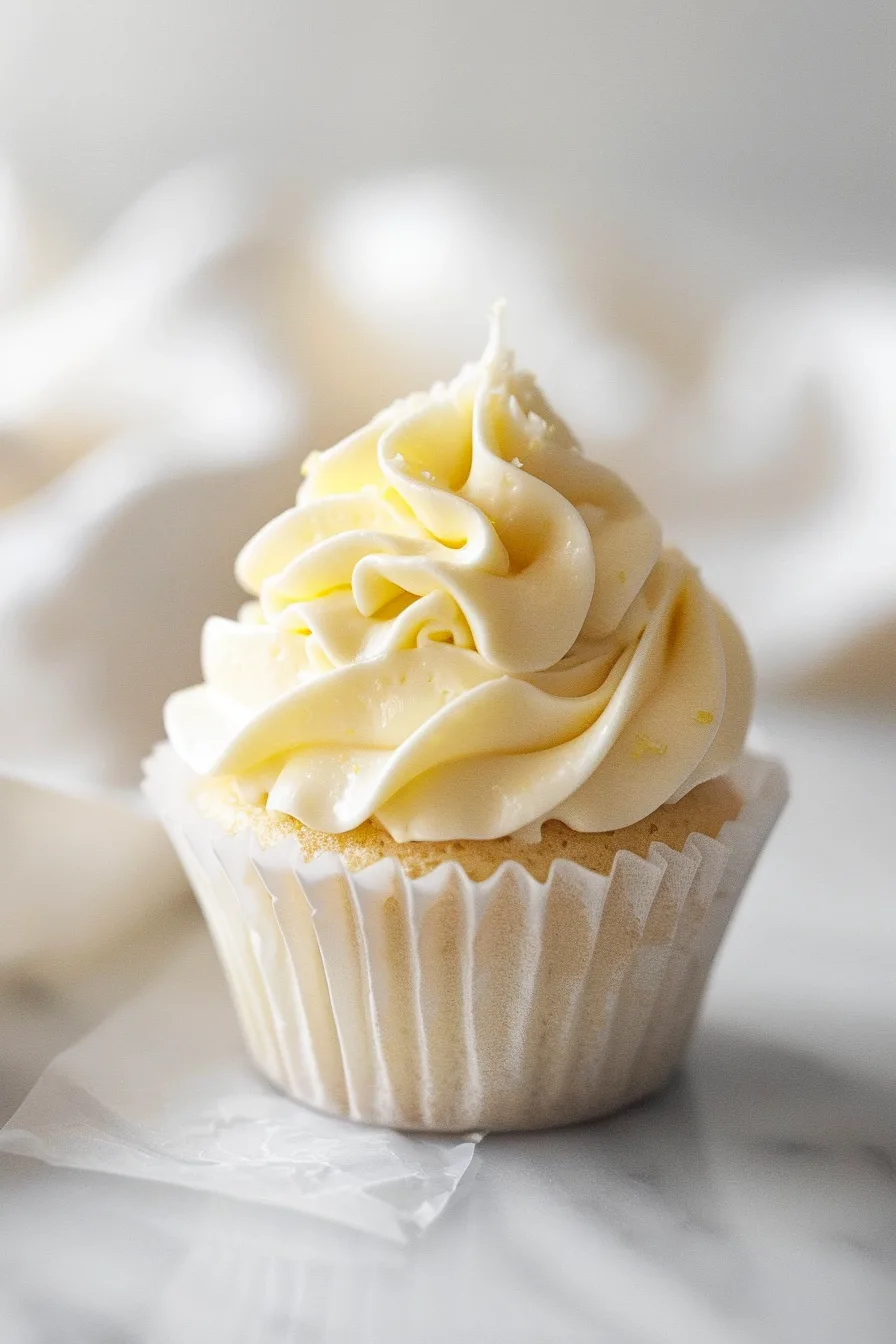
Step-by-Step Instructions
Preparation
- Ensure butter is softened to room temperature.
- Sift the confectioners’ sugar into a separate bowl.
- Zest and juice your lemons.
Making the Frosting
- Cream the softened butter in a large mixing bowl using an electric mixer until it is exceptionally light and fluffy, about 3-5 minutes.
- Gradually add the sifted confectioners’ sugar, about one cup at a time, mixing on low speed after each addition until just combined. Scrape down the sides of the bowl as needed.
- Add the fresh lemon juice, lemon zest, and salt to the butter and sugar mixture.
- Increase the mixer speed to medium and beat for an additional 3-5 minutes until the frosting is completely smooth, creamy, and well-emulsified.
- If the frosting is too thick for your liking or for spreading, add the heavy cream or milk, one tablespoon at a time, beating after each addition until you reach your desired consistency. For a richer frosting, use heavy cream.
- If the frosting appears too thin, gradually add more sifted confectioners’ sugar, a few tablespoons at a time, beating until it thickens to the desired texture.
- Once the perfect consistency is achieved, give it a final quick beat to ensure it is perfectly smooth.
Chef Tips for Perfect Results
- Room Temperature Butter is Crucial: Ensure your butter is truly softened, not melted. It should yield to gentle pressure but not be greasy. This allows for optimal aeration during creaming.
- Sift Everything: Sifting both the confectioners’ sugar and the flour (if using in a cake recipe this frosting accompanies) is non-negotiable for a silky-smooth finish and to prevent grainy texture.
- Don’t Overmix Lemon Juice: Add fresh lemon juice and zest towards the end of the mixing process. Overmixing can cause the frosting to break or become greasy, especially if the butter isn’t perfectly emulsified.
- Adjust Consistency Slowly: Add liquid ingredients (cream/milk) or dry ingredients (confectioners’ sugar) one tablespoon at a time. It is easier to add more than to fix an over-adjusted batch.
- Taste and Adjust: Always taste your frosting before finalizing. Adjust lemon juice or zest for more tang, or a pinch more sugar for sweetness if needed. A small pinch of salt always balances the flavors.
Common Mistakes to Avoid
- Using Cold or Melted Butter: Cold butter will result in lumps, while melted butter will make the frosting greasy and oily. Always use properly softened butter.
- Not Sifting Confectioners’ Sugar: Un-sifted sugar introduces small lumps into the frosting, creating a gritty texture that detracts from its smoothness. Sift it diligently.
- Adding Liquids Too Quickly: Dumping all the lemon juice or cream in at once can cause the frosting to split or become too thin. Introduce liquids gradually for controlled consistency.
- Over-Creaming Butter Initially: While creaming is important, over-beating butter can incorporate too much air, leading to a frosting that melts too quickly or loses its structure. Aim for light and fluffy, not excessively airy.
- Forgetting the Salt: Salt plays a vital role in balancing the sweetness of the frosting and enhancing the lemon flavor. Omitting it can result in a one-dimensionally sweet, flat taste.
Variations and Substitutions
| Ingredient | Substitution | Impact on Flavor |
|---|---|---|
| Unsalted Butter | High-quality salted butter (reduce added salt) | Slightly saltier notes; ensure good quality to avoid off-flavors. |
| Fresh Lemon Juice | Lime juice | A delicious lime flavor, slightlyDifferent tang. |
| Fresh Lemon Juice | Lemon extract (use sparingly) | Potent lemon flavor, can taste artificial if overused. Adjust cautiously. |
| Heavy Cream/Milk | Sour cream or Greek yogurt (small amount) | Adds a slight tang and a denser texture. May require more sugar to balance. |
Serving Suggestions and Pairings
This creamy lemon buttercream frosting is exceptionally versatile. It is a perfect topping for vanilla or lemon cupcakes for a birthday party or a spring gathering. Use it to frost a classic yellow cake or a delicate angel food cake for a refined dessert. It also works beautifully on sugar cookies or shortbread for a delightful afternoon treat or a holiday cookie exchange.
Consider pairing lemon buttercream with berries such as raspberries or blueberries, or with white chocolate ganache. Its bright flavor also complements lighter cakes like chiffon or sponge cakes. It’s an ideal choice for spring celebrations, bridal showers, or any occasion celebrating freshness and citrus indulgence.
Storage and Reheating
| Method | Duration | Instructions |
|---|---|---|
| Refrigerator | Up to 1 week | Store in an airtight container. The frosting will firm up considerably. |
| Freezer | Up to 3 months | Store in an airtight container or freezer bag. Thaw slowly in the refrigerator. |
To revive refrigerated frosting, let it sit at room temperature for 30-60 minutes until slightly softened. Then, re-whip it with an electric mixer for 1-2 minutes until smooth and creamy again. If it seems too stiff, add a teaspoon of milk or cream at a time until the right consistency is restored.
Nutritional Information
| Nutrient | Amount per Serving |
|---|---|
| Calories | Approximate values. |
| Protein | Approximate values. |
| Fat | Approximate values. |
| Carbohydrates | Approximate values. |
| Fiber | Approximate values. |
| Sugar | Approximate values. |
| Sodium | Approximate values. |
Frequently Asked Questions
Can I substitute fresh lemon juice with bottled lemon juice?
No, always use freshly squeezed lemon juice for the best bright flavor in this lemon buttercream frosting. Bottled versions often have a less vibrant taste and can introduce off-flavors.
How do I know when my butter is the right temperature for creaming?
Your butter is ready when it yields slightly to gentle pressure from your finger but doesn’t indent deeply or feel greasy. It should be pliable but not soft or melted.
My buttercream frosting is too thin, what should I do?
Add more sifted confectioners’ sugar, a few tablespoons at a time, while mixing on low speed. Continue adding until the frosting reaches your desired thick and spreadable consistency.
Can I make this lemon buttercream frosting ahead of time?
Yes, this frosting can be made up to a week in advance and stored in an airtight container in the refrigerator. It will firm up and need to be re-whipped before use.
What is the best way to serve this lemon frosting?
Serve this creamy lemon buttercream frosting as a topping for cakes, cupcakes, cookies, or tarts. Ensure it is at room temperature and properly whipped for optimal spreadability and aesthetic appeal.
Mastering the best creamy lemon buttercream frosting unlocks a world of delicious possibilities. This recipe provides the foundation for a perfectly balanced, tangy, and smooth citrus frosting. Enjoy spreading this delightful lemon buttercream on your favorite baked goods and savor its bright, signature flavor. Consider experimenting with other citrus notes for new flavor profiles, but always return to this classic for a guaranteed crowd-pleaser!
Print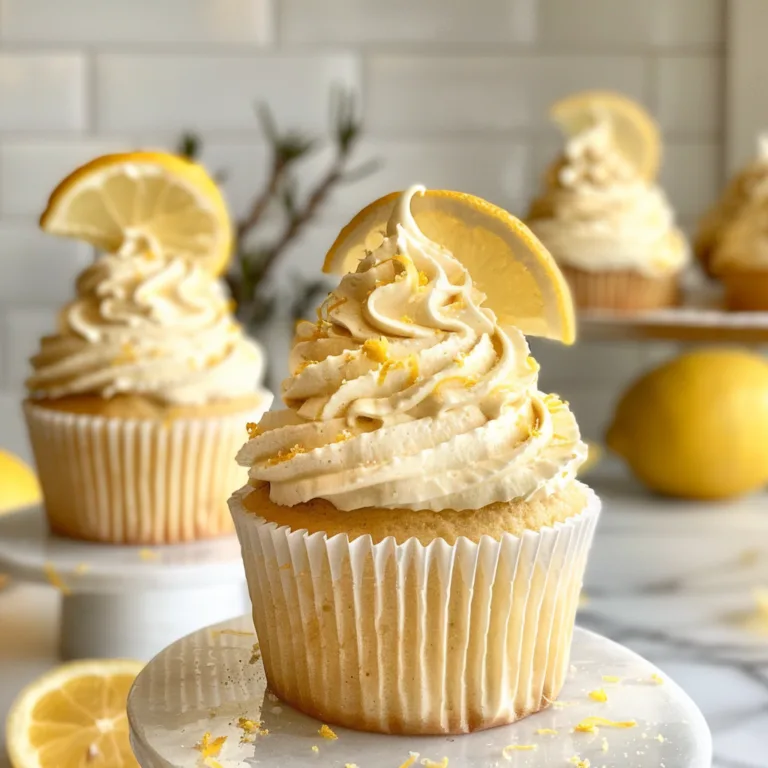
Best Creamy Lemon Buttercream Frosting
A silky smooth buttercream with bright lemon flavor, perfect for piping or spreading on cakes cupcake. Made with fresh lemon zest and juice for authentic brightness, high-quality butter, and confectioners’ sugar for a fine, velvety texture. No lumps, no artificial additives, just pure citrus delight.
- Total Time: 20
- Yield: Enough for one 9-inch layer cake or 24 cupcakes
Ingredients
Unsalted Butter, 1 cup (227g)
Confectioners’ Sugar, 4 cups (480g)
Fresh Lemon Juice, 1/4 cup (60ml)
Lemon Zest, 1 teaspoon
Heavy Cream or Milk, 2–3 tablespoons
Salt, 1/4 teaspoon
Instructions
Ensure butter is softened to room temperature.
Sift confectioners’ sugar into a mixing bowl.
Cream softened butter in a large mixing bowl with an electric mixer on medium speed until light and fluffy (3–5 minutes).
Add sifted confectioners’ sugar gradually, one cup at a time, mixing on low speed after each addition until fully incorporated. Scrape down sides as needed.
Add fresh lemon juice, lemon zest, and salt to the bowl. Beat on medium-high speed for 2–3 minutes to combine.
Alternate adding heavy cream (or milk) and any remaining confectioners’ sugar for a looser consistency.
Adjust with small additions of liquid or powdered sugar to achieve desired texture.
Whip briefly on high speed to aerate and enrich the consistency further.
Notes
Use high-quality unsalted butter for best flavor. Adjust liquid in 1–2 tablespoon increments if needed. If no mixer is available, whisk manually for 5–7 minutes; add additional liquid for easier mixing. Store in an airtight container in the refrigerator for up to 5 days. Frosting can be frozen for 3 months. Optional: add a splash of lemon extract or substitute with orange zest and juice for a twist.
- Prep Time: 15
- Category: Cake Recipes & Easy Baking Ideas
- Method: Mixing
- Cuisine: American
- Diet: Lacto-vegetarian
Nutrition
- Serving Size: 2 tablespoons of frosting
- Calories: 180
- Sugar: 24g
- Sodium: 120mg
- Fat: 12g
- Saturated Fat: 7g
- Carbohydrates: 24g
- Fiber: 0g
- Protein: 1g
- Cholesterol: 25mg