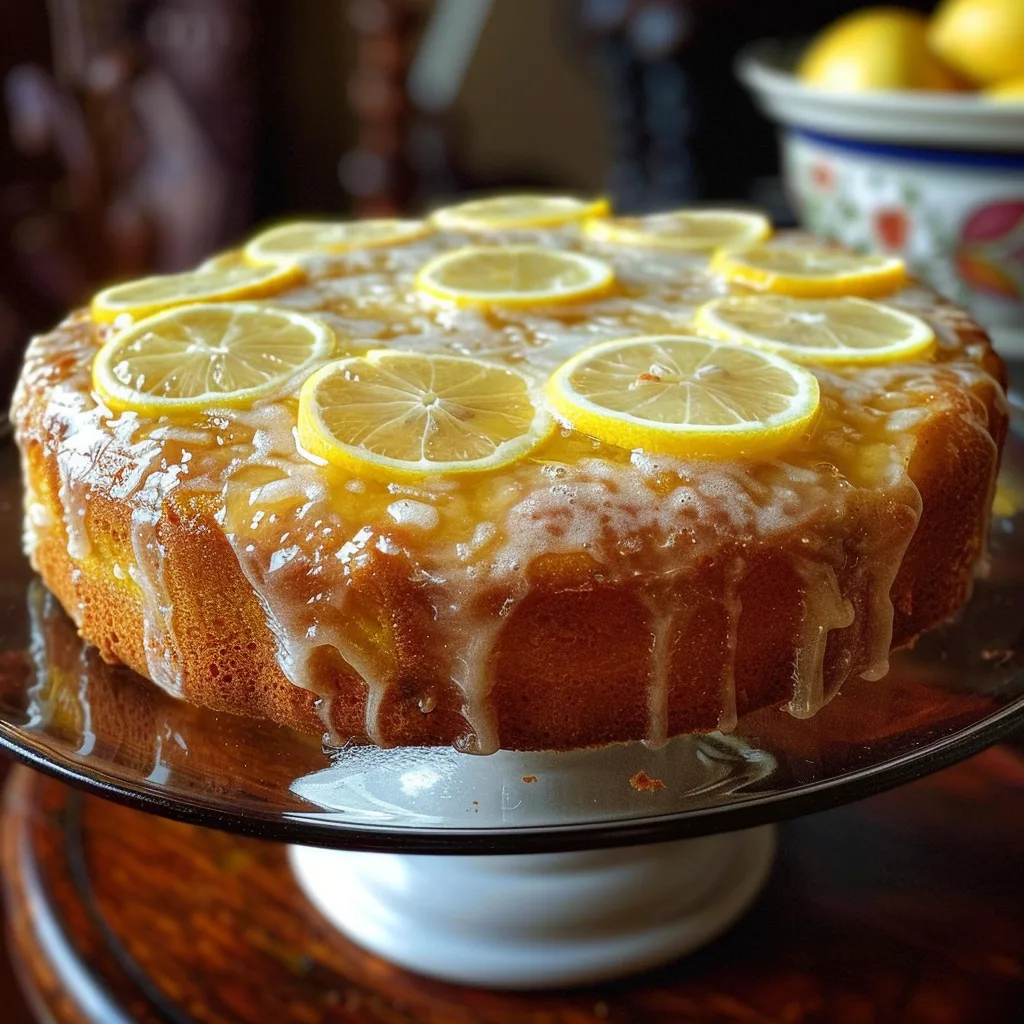
Experience an unparalleled citrus sensation with A Lemon Cake to Die For. This recipe delivers an exceptionally moist and zesty dessert, guaranteed to become a household favorite. Its vibrant lemon flavor and tender texture make it a truly memorable treat for any occasion.
Why This Recipe Works
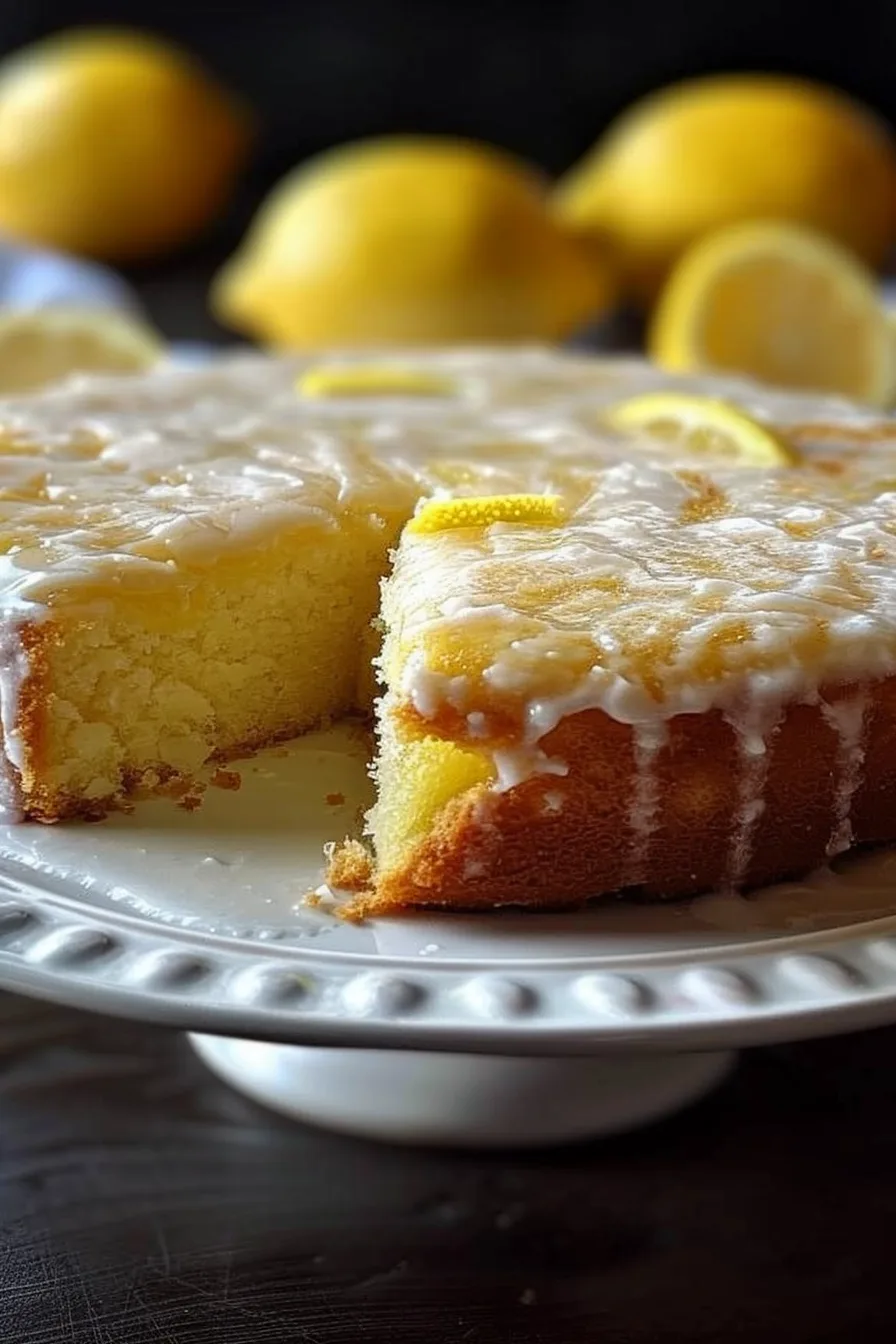
The magic of this lemon cake lies in its carefully balanced ingredients and simple technique. Using both lemon juice and zest ensures a profound citrus punch that artificial flavorings simply cannot replicate. The combination of milk and sour cream contributes significantly to the cake’s incredible moistness. Sour cream, with its higher fat content and acidity, tenderizes the gluten in the flour. This results in a finer, softer crumb that remains delightful even the next day.
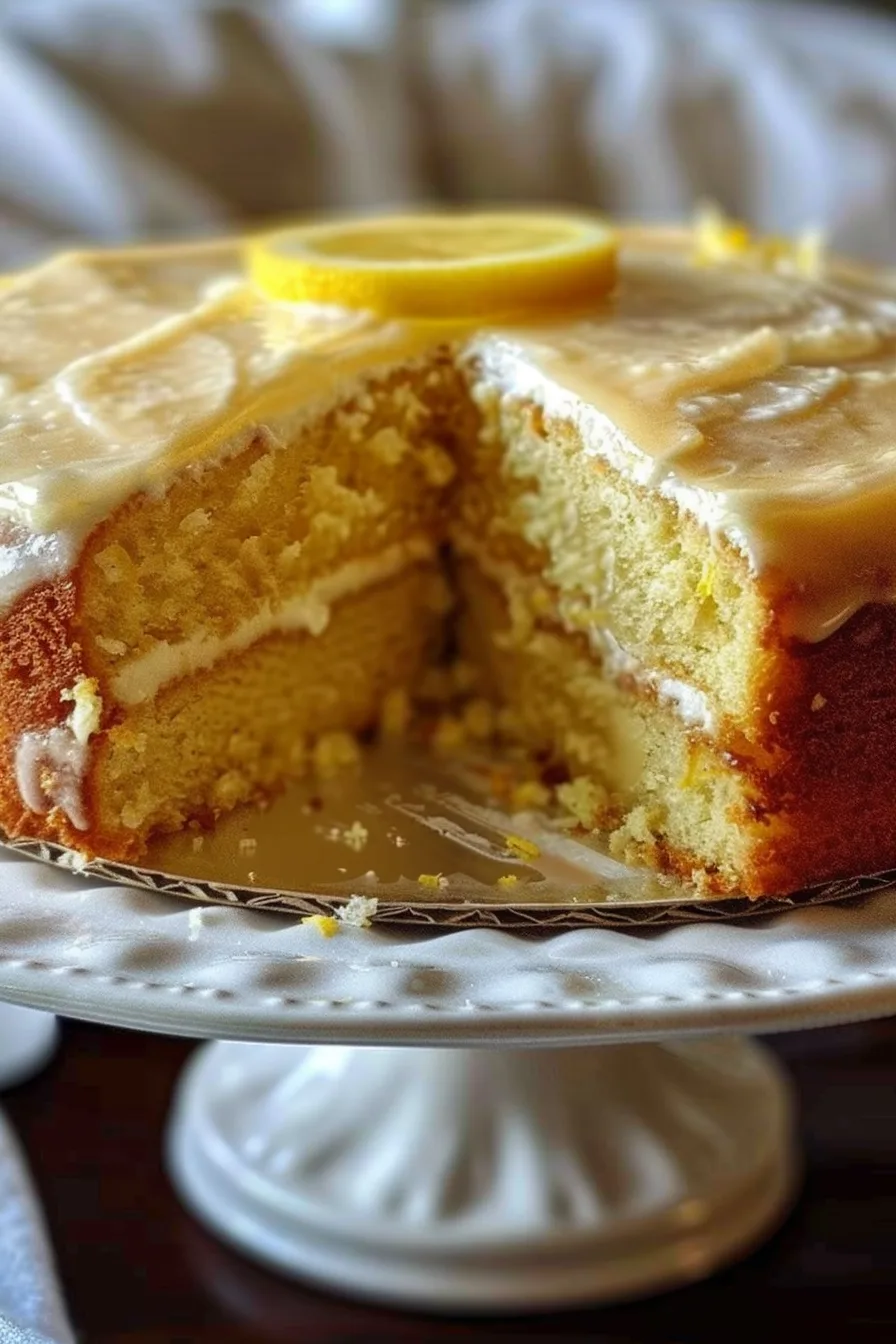
Furthermore, the leavening agents, baking powder and baking soda, work in harmony with the acidic components (lemon juice and sour cream) to create a light and airy texture. This careful orchestration prevents the cake from becoming dense or gummy. The method of adding wet and dry ingredients alternately also plays a crucial role in developing the perfect crumb. It prevents overmixing, a common cause of tough cakes, ensuring each bite is a testament to its moist and zesty perfection.
Ingredients
| Ingredient | Quantity | Notes |
|---|---|---|
| All-purpose flour | 1 ½ cups | Sifted for a lighter texture. |
| Baking powder | 1 teaspoon | Ensure it is fresh and active. |
| Baking soda | ½ teaspoon | Activates with the acidic ingredients. |
| Salt | ¼ teaspoon | Enhances all other flavors. |
| Unsalted butter | ½ cup (softened) | Crucial for texture; avoid melted butter. |
| Granulated sugar | 1 ½ cups | Provides sweetness and tenderizes the crumb. |
| Large eggs | 2 | Room temperature eggs incorporate better. |
| Vanilla extract | 1 teaspoon | Pure vanilla extract offers the best flavor. |
| Milk | ½ cup | Whole milk is recommended for richness. |
| Fresh lemon juice | ½ cup | From about 2-3 fresh lemons. |
| Lemon zest | 2 tablespoons | From about 2-3 lemons (use a microplane). |
| Sour cream | ½ cup | Full-fat sour cream provides optimal moisture. |
Step-by-Step Instructions
Preparation
- Preheat your oven to 350°F (175°C).
- Grease and flour a standard 9-inch round cake pan thoroughly.
Dry Ingredients
- In a medium mixing bowl, whisk together the all-purpose flour, baking powder, baking soda, and salt until well combined.
Wet Ingredients
- In a separate large mixing bowl, cream the softened unsalted butter and granulated sugar together until the mixture is light and fluffy.
- Beat in the large eggs one at a time, ensuring each egg is fully incorporated before adding the next.
- Stir in the vanilla extract until combined.
Liquid Mixture
- In a small bowl or measuring cup, whisk together the milk, fresh lemon juice, lemon zest, and sour cream until smooth.
Combining the Batter
- Begin adding the dry ingredients to the butter mixture in three equal parts, alternating with the liquid mixture in two equal parts. Start and end with the dry ingredients.
- Mix on low speed or by hand after each addition until just combined; avoid overmixing the batter.
- Pour the finished batter evenly into the prepared cake pan.
Baking and Cooling
- Bake in the preheated oven for 30 to 35 minutes.
- Test for doneness by inserting a wooden skewer or toothpick into the center; it should come out clean.
- Allow the cake to cool in the pan on a wire rack for 10 minutes.
- Carefully invert the cake onto the wire rack to finish cooling completely before frosting or serving.
Chef Tips for Perfect Results
- Room Temperature Ingredients: Ensure butter, eggs, milk, and sour cream are at room temperature for optimal emulsification and a smoother batter. This prevents a dense cake.
- Proper Zesting: Use a microplane or the fine side of a grater to zest your lemons. Avoid the bitter white pith to maintain pure lemon flavor.
- Gentle Mixing: Overmixing develops gluten, leading to a tough cake. Mix only until ingredients are just combined, especially after adding flour.
- Accurate Measurement: Use the spoon-and-level method for flour (spoon flour into the measuring cup, then level off). Too much flour results in a dry cake.
- Oven Temperature: Verify your oven’s temperature with a thermometer. Inaccurate heat can lead to uneven baking and affect the cake’s texture.
Common Mistakes to Avoid
- Overmixing the Batter: Overdeveloping gluten strands leads to a tough, chewy cake texture instead of a tender crumb. Mix only until the ingredients are incorporated.
- Using Cold Ingredients: Cold butter, eggs, or dairy won’t emulsify properly with other ingredients. This can result in a greasy texture or a dense cake. Ensure all wet ingredients are at room temperature.
- Opening the Oven Door Too Soon: This causes a sudden temperature drop, which can make the cake sink in the middle. Resist peeking until the minimum baking time has passed.
- Incorrect Flour Measurement: Scooping flour directly from the bag compacts it, leading to too much flour. Use the spoon-and-level method for accurate measurements and a moist cake.
- Not Zesting Properly: Zesting too deep into the pith can impart a bitter flavor to the cake. Use shallow, gentle strokes with a microplane to capture only the flavorful outer yellow layer.
Variations and Substitutions
| Ingredient | Substitution | Impact on Flavor |
|---|---|---|
| Sour cream | Plain Greek yogurt (full-fat) | Slightly tangier, maintains moisture and tenderness. |
| Milk | Buttermilk | Adds extra tanginess and moisture, enhancing the cake’s tenderness. |
| Lemon juice | Lime juice | Creates a lime cake, still zesty but with a distinct tropical profile. |
| Granulated sugar | Caster sugar | Dissolves more easily, potentially leading to a slightly finer crumb. |
| All-purpose flour | Cake flour (use 1 ¾ cups) | Results in an even more tender and delicate crumb. |
Serving Suggestions and Pairings
This A Lemon Cake to Die For is delightful served simply with a dusting of powdered sugar for a classic presentation. It pairs beautifully with a light cream cheese frosting or a tangy lemon glaze made with powdered sugar and lemon juice. For a more decadent experience, serve slices alongside fresh berries like raspberries or strawberries. It’s also wonderful with a dollop of freshly whipped cream. Consider it for afternoon tea, a spring brunch, or as a refreshing end to a meal.
Storage and Reheating
| Method | Duration | Instructions |
|---|---|---|
| Room Temperature | 2-3 days | Store in an airtight container. For frosted cakes, ensure frosting is stable. |
| Refrigerator | 4-5 days | Recommended for cakes with cream cheese frosting or glazes. Bring to room temperature before serving for best texture. |
| Freezer (Unfrosted) | 1-2 months | Wrap tightly in plastic wrap then foil. Thaw overnight at room temperature. |
| Freezer (Frosted) | 1 month | Wrap frosted cake in plastic wrap, then foil. Thaw gently in the refrigerator overnight. |
Nutritional Information
| Nutrient | Amount per Serving |
| Calories | Approximate values. |
| Protein | Approximate values. |
| Fat | Approximate values. |
| Carbohydrates | Approximate values. |
| Fiber | Approximate values. |
| Sugar | Approximate values. |
| Sodium | Approximate values. |
Frequently Asked Questions
How can I make my lemon cake extra moist?
Utilize ingredients like sour cream and milk, and ensure you do not overbake the cake. Measuring ingredients accurately by weight or by the spoon-and-level method also prevents dryness. Correctly adding wet and dry ingredients alternatively helps create a tender crumb.
How do I know when my lemon cake is perfectly baked?
The cake is perfectly baked when a wooden skewer or toothpick inserted into the center comes out clean. You can also gently press the top of the cake; it should spring back. Avoid opening the oven door prematurely to prevent a collapse.
Why is my lemon cake dense?
A dense lemon cake is often caused by overmixing the batter, which develops too much gluten. Using cold ingredients that don’t incorporate well can also contribute. Ensure your baking soda and baking powder are fresh for proper leavening.
Can I make this lemon cake ahead of time?
Yes, this lemon cake can be baked a day in advance. Store it properly in an airtight container at room temperature or refrigerate if frosted with a cream cheese frosting. Allow it to come to room temperature before serving for the best texture.
What frosting is best with this zesty lemon cake?
A classic cream cheese frosting complements the zesty lemon perfectly, offering a creamy contrast. A simple lemon glaze made with powdered sugar and lemon juice or a light whipped cream frosting are also excellent choices. Ensure your frosting adheres to dietary needs if applicable.
This A Lemon Cake to Die For is more than just a dessert; it’s an experience. Its perfect balance of moistness and zesty brightness makes every slice exceptional. Don’t hesitate to bake this ultimate moist and zesty dessert soon!
Print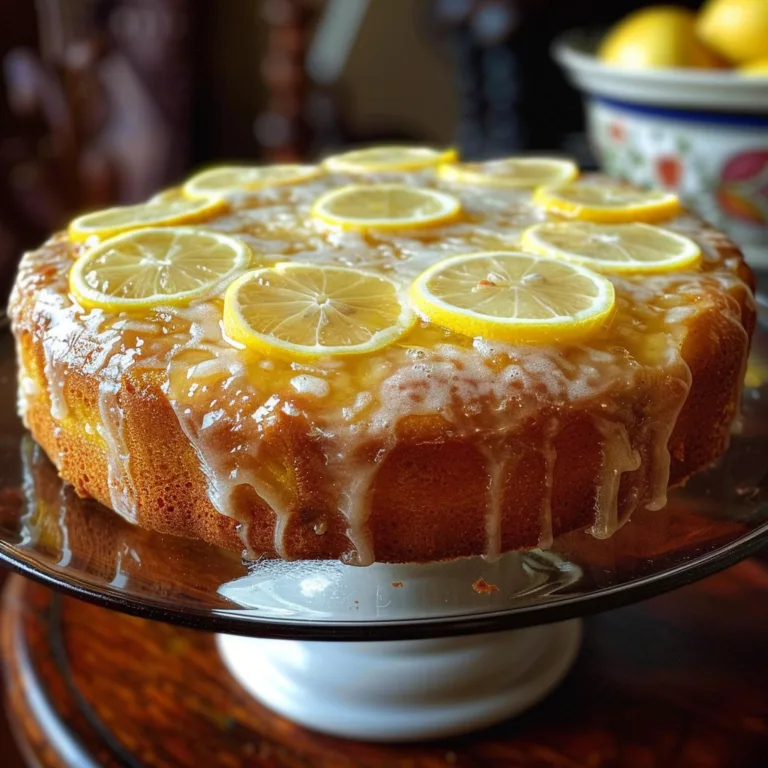
A Lemon Cake to Die For – The Ultimate Moist & Zesty Dessert
A vibrant, tender, and exceptionally moist citrus cake bursting with authentic lemon flavor. Perfect for celebrations or a zesty treat, its secret lies in fresh lemon zest, sour cream, and a balanced blend of leavening agents for a light, air texture.
- Total Time: 50
- Yield: 10 slices 1x
Ingredients
1 ½ cups all-purpose flour
1 teaspoon baking powder
½ teaspoon baking soda
¼ teaspoon salt
½ cup unsalted butter (softened)
1 ½ cups granulated sugar
2 large eggs
1 teaspoon vanilla extract
½ cup milk
½ cup fresh lemon juice (from 2–3 lemons)
2 tablespoons lemon zest (from 2–3 lemons)
½ cup sour cream (full-fat)
Instructions
Preheat oven to 350°F (180°C). Grease and flour a 9-inch round or 8-inch square baking pan.
In a medium bowl, sift and mix flour, baking powder, baking soda, and salt.
In a separate large bowl, beat softened butter and sugar until light and fluffy. Add eggs one at a time, mixing well after each addition.
Stir in vanilla extract, lemon juice, and lemon zest.
Alternate adding flour mixture and milk to the wet ingredients, beginning and ending with flour, mixing just until combined.
Fold in sour cream until fully incorporated.
Pour batter into prepared pan and smooth surface.
Bake for 28–32 minutes, or until a toothpick inserted into the center comes out clean.
Cool completely before slicing and serving.
Notes
For best results, use a microplane grater for fine lemon zest.
Let the cake cool fully to prevent collapsing after removing from the pan.
Store at room temperature in an airtight container for 2 days or freeze for up to 3 months.
- Prep Time: 20
- Cook Time: 30
- Category: Cake Recipes & Easy Baking Ideas
- Method: Baking
- Cuisine: American
- Diet: Vegetarian
Nutrition
- Serving Size: 1 slice
- Calories: 320
- Sugar: 38g
- Sodium: 230mg
- Fat: 16g
- Saturated Fat: 10g
- Carbohydrates: 45g
- Fiber: 0.8g
- Protein: 3g
- Cholesterol: 40mg