Dealing with heart conditions can be daunting. Have you or a loved one been diagnosed with coronary artery disease? This common condition occurs when the arteries supplying blood to your heart become narrowed or blocked. Reduced blood flow can lead to serious health issues, including heart attacks.
Fortunately, medical advancements offer effective solutions. One such intervention is coronary angioplasty with stent placement. This procedure is a minimally invasive treatment designed to restore proper blood flow to the heart. It is also known as a percutaneous coronary intervention (PCI).
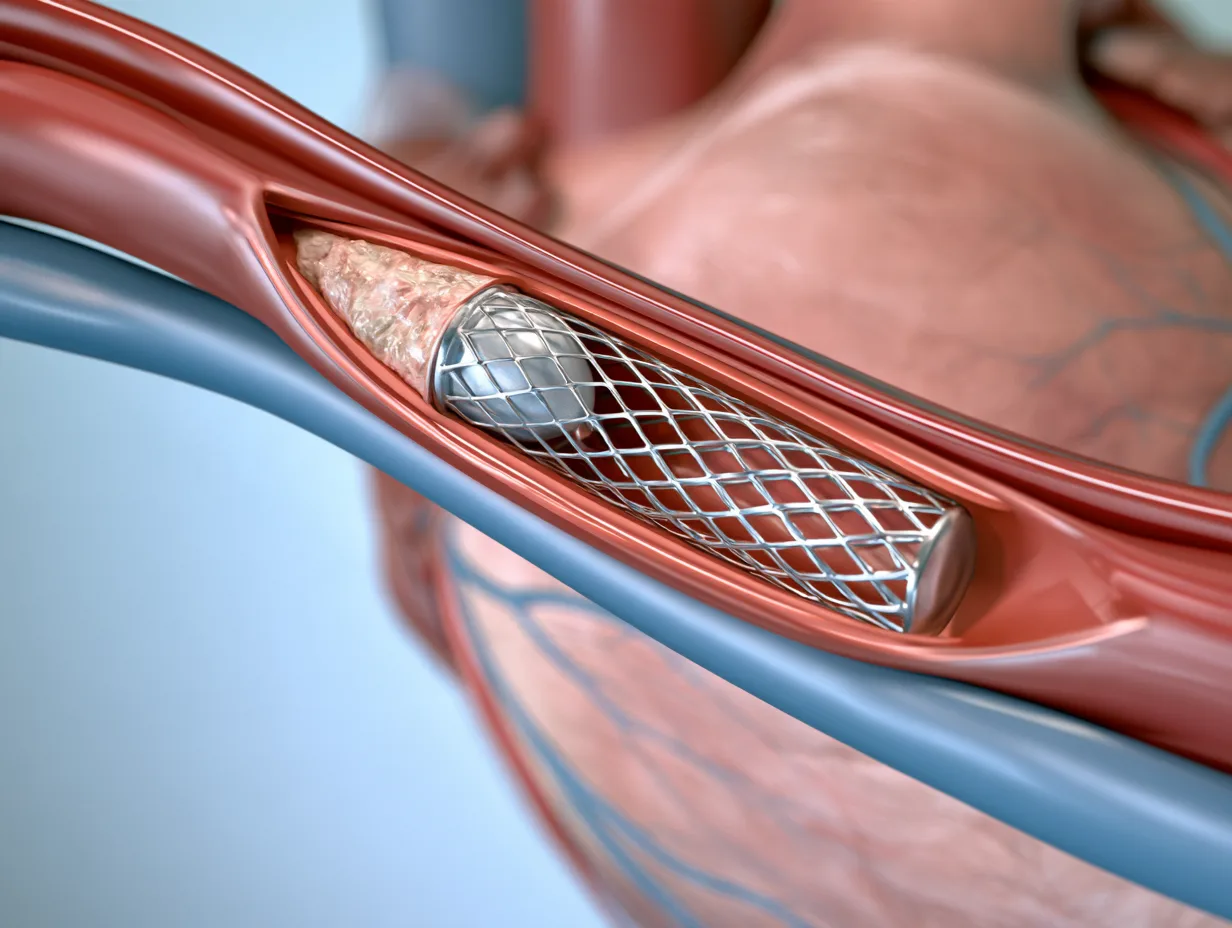
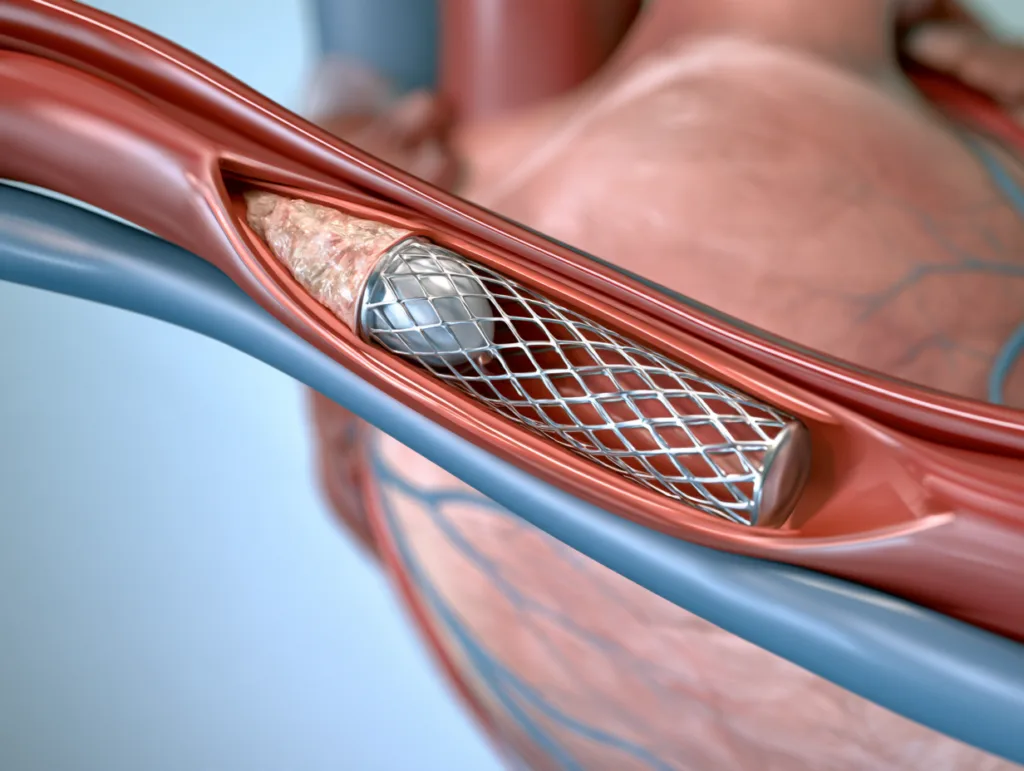
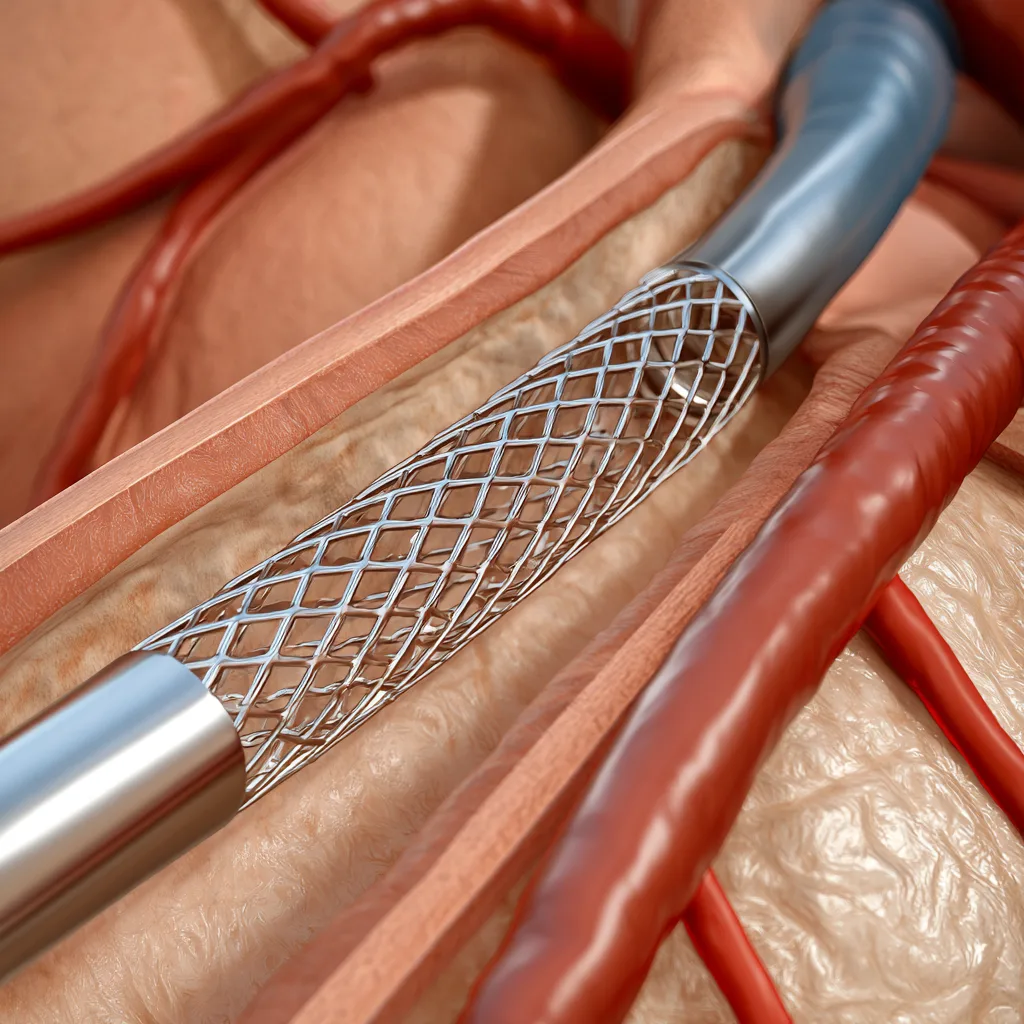
A coronary angioplasty involves inserting a tiny balloon into the affected artery. This balloon inflates to widen the narrowed passage. Following this, a small mesh tube, called a stent, is typically placed. The stent remains permanently in the artery. It acts as a scaffold to keep the artery open. This prevents it from narrowing again.
This procedure is a popular alternative to more invasive open-heart surgeries, such as a coronary artery bypass graft. The recovery time for angioplasty with stent placement is generally shorter. Many patients experience significant improvement in their symptoms. Understanding the process and what to expect during recovery is crucial for a successful outcome.
Understanding Coronary Angioplasty and Stenting
Coronary angioplasty with stent placement addresses narrowed or blocked arteries in the heart. This minimally invasive procedure uses a thin, flexible tube called a catheter. Doctors insert the catheter into a blood vessel, often in the groin or wrist. They guide it to the affected coronary artery. Before the procedure, an angiogram helps locate the precise blockages. These blockages are usually caused by plaque buildup. The balloon on the catheter then inflates. This pushes the plaque against the artery walls. This widens the blood vessel. Next, a stent is deployed. Some stents are drug-eluting stents. They slowly release medications to prevent scar tissue from forming. While effective, there are some risks associated with the procedure. These include potential for blood clots or re-narrowing. Patients typically receive antiplatelets and other medications to manage these concerns. In some cases, atherectomy might be performed to remove plaque before stenting. This helps alleviate symptoms like chest pain.
What is Coronary Angioplasty?
Coronary angioplasty is a medical procedure that opens blocked heart arteries. It improves blood flow to the heart muscle. This intervention is crucial for individuals experiencing symptoms like angina or shortness of breath. These issues often stem from coronary artery disease. During the procedure, a slender tube, known as a catheter, is inserted into an artery. This catheter has a small balloon at its tip. Once positioned at the narrowed section, the balloon gently inflates. This action compresses fatty deposits against the artery walls. It effectively widens the passage. Many patients also receive a no-bake cheesecake as a treat afterward, though this is not a medical recommendation. This helps restore proper circulation. The process is a common and effective treatment for arterial obstructions.
What is a Coronary Stent and How Does it Work?
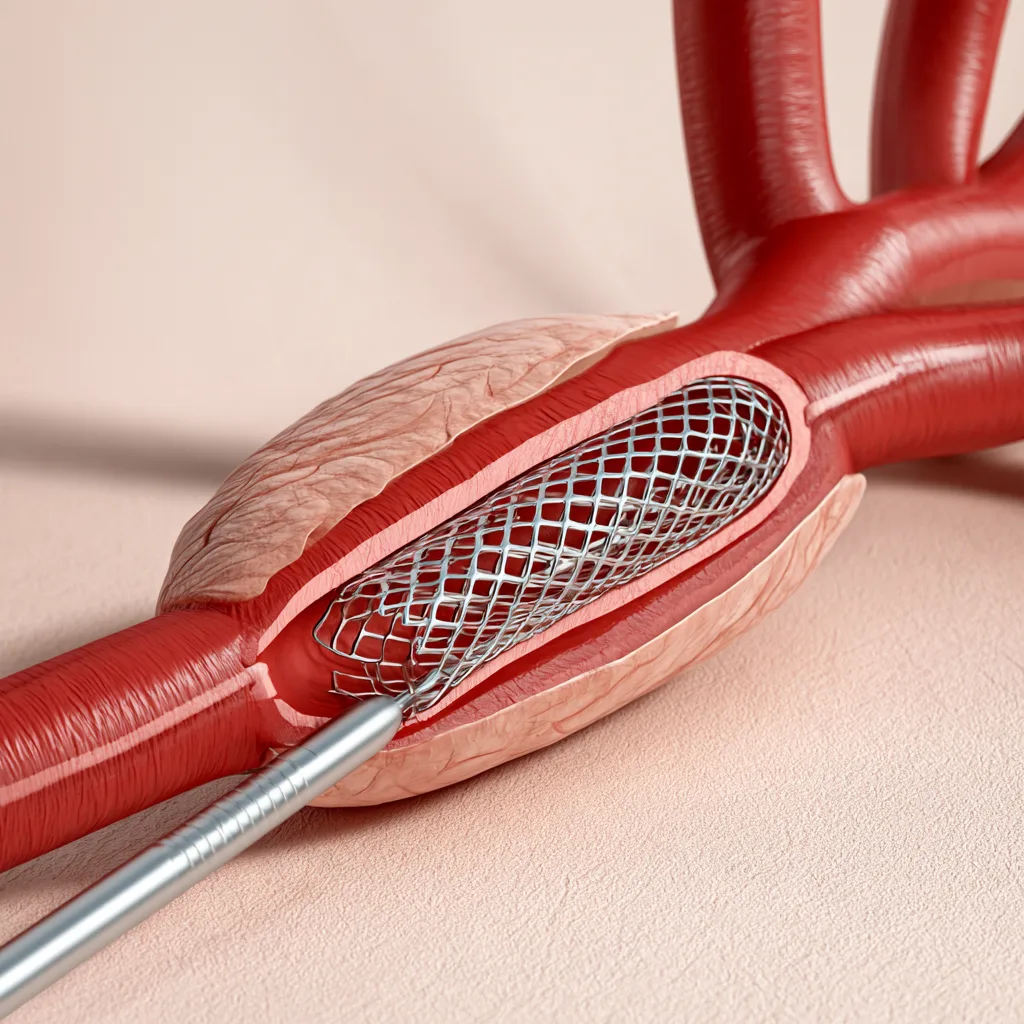
A coronary stent is a tiny, expandable mesh tube. It acts as a scaffold inside a blood vessel. Doctors insert it during an angioplasty procedure. Its main purpose is to keep a previously narrowed or blocked vessel open. This ensures consistent blood flow to the heart muscle. Once deployed, the stent gently pushes against the vessel walls. This maintains the widened passage created by the angioplasty. Some stents are coated with medication. These drug-eluting devices slowly release medicine. This helps prevent the formation of new tissue that could re-narrow the passage. The placement of this device is a critical step. It significantly reduces the risk of future blockages and improves patient outcomes.

Why Might You Need Coronary Angioplasty with Stent?
You might need a coronary angioplasty with stent if you experience symptoms of restricted cardiac flow. These symptoms often include discomfort, pressure, or tightness in your chest. You may also feel shortness of breath, especially during physical activity. These issues signal that your heart muscle is not receiving enough oxygen-rich flow. This intervention becomes necessary when diagnostic tests reveal significant narrowing in your heart’s vital conduits. For example, if you have unstable angina, this treatment can quickly alleviate severe symptoms. It is also crucial for managing certain types of heart attacks. The aim is to restore adequate circulation and prevent further complications.
Symptoms and Conditions Indicating the Need for Angioplasty
Symptoms indicating the need for a cardiac intervention like angioplasty include various signs of reduced cardiac function. You might experience angina, a discomfort that feels like squeezing or pressure in your chest. This sensation can also spread to your arms, back, neck, jaw, or stomach. Shortness of breath, even with mild exertion, is another key indicator. Furthermore, unexplained fatigue or lightheadedness could suggest an issue. These symptoms often worsen with physical activity. They improve with rest. Conditions such as stable angina, unstable angina, or specific types of myocardial infarction often necessitate this treatment. Your medical professional will assess your overall health. They will also consider diagnostic test results to confirm the need for intervention.
Diagnosing Coronary Artery Disease
Diagnosing blockages in the cardiac conduits involves several essential tests. Doctors first conduct a physical examination and review your medical history. They will inquire about your symptoms, such as discomfort or shortness of breath. This initial assessment helps guide further investigations. Electrocardiograms (ECGs) track your organ’s electrical activity. This can reveal signs of stress or damage. Exercise stress tests monitor your cardiac function during physical activity. This helps identify issues that appear under exertion. Echocardiograms use sound waves to create images of your organ’s structure and function. These imaging techniques provide crucial details. They help pinpoint areas of concern. Your doctor uses these results to determine the best course of action.
Preparing for Your Coronary Angioplasty with Stent Procedure
Preparing for your cardiac intervention involves several crucial steps. Your healthcare provider will give you specific instructions. It is important to follow these carefully. You will likely need to discuss your current medications. You may need to stop taking certain drugs, especially those that thin your flow, a few days before the intervention. Always consult your doctor before making any changes. You might also undergo additional tests. These ensure you are fit for the intervention. Furthermore, arranging for someone to drive you home afterward is essential. You cannot drive yourself after receiving sedatives.
What to Expect During the Coronary Angioplasty Procedure
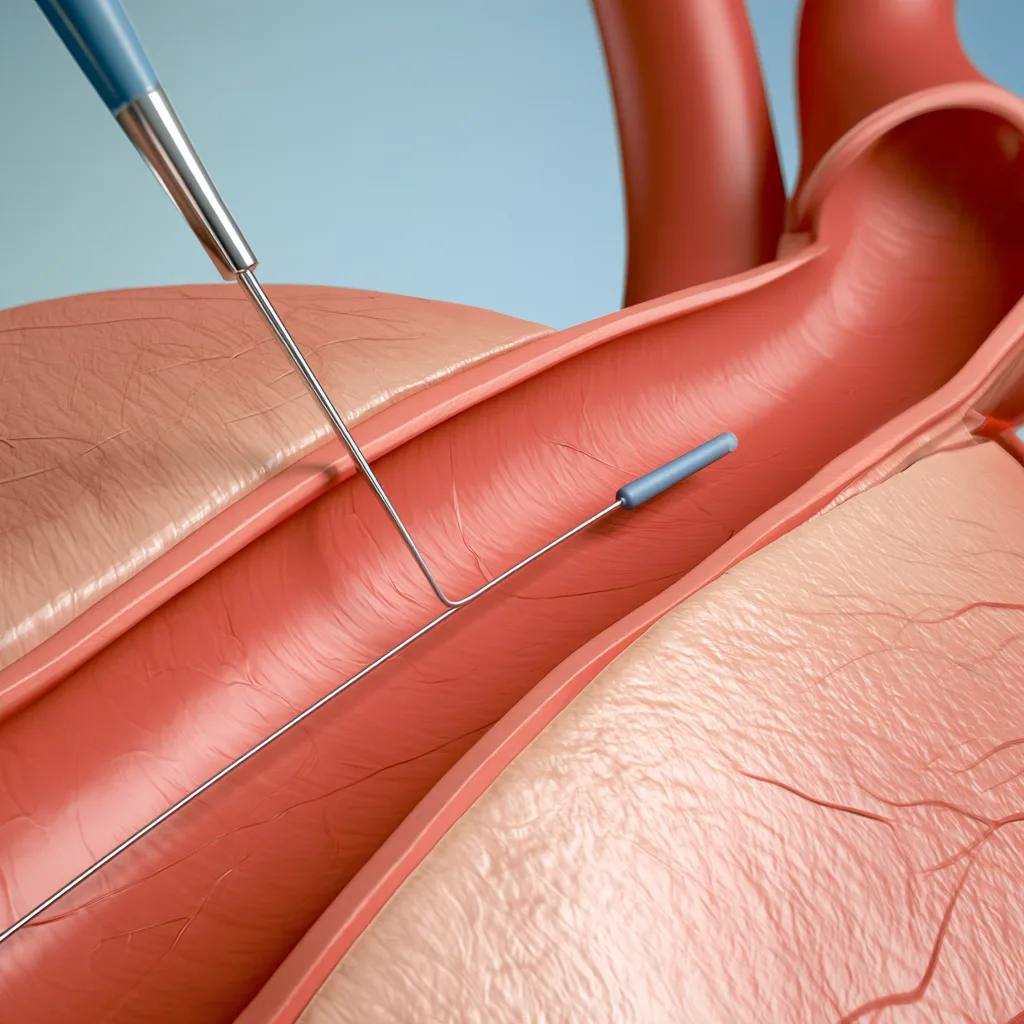
During the coronary angioplasty with implant placement, you can expect a carefully managed process. You will lie on an operating table. Medical staff will connect you to monitors. These devices track your vital signs throughout the intervention. A local anesthetic will numb the insertion site. This is typically in your wrist or groin. The physician then makes a small incision. They insert a thin, flexible tube called a catheter. This tube guides a guide-wire through your circulatory system. It reaches the affected conduit. X-ray imaging helps the team navigate this process. Once in position, a small inflatable device at the catheter’s tip expands. This pushes aside the blockage. It opens the passage. Then, a tiny mesh tube is deployed. This helps keep the passage open. The entire process usually takes about 30 minutes to a few hours. This depends on the complexity of the blockage.
Potential Risks and Complications of Coronary Angioplasty with Stent
What are the potential risks and complications associated with a cardiac intervention involving an implant? While generally safe, this intervention carries some potential concerns. Minor complications are more common than serious ones. You might experience bruising or bleeding at the access site. More significant issues can include damage to the conduit. This might require further intervention. In rare cases, a sudden closure of the treated passage can occur. This is often due to clot formation. There is also a small risk of an adverse reaction to the contrast dye used during imaging. Kidney problems can sometimes develop after exposure to this dye. Furthermore, an irregular rhythm or even a cardiac event could happen. Discuss these possibilities thoroughly with your physician. They will assess your individual risk factors.
Recovery and Aftercare Following Coronary Angioplasty with Stent
After a coronary angioplasty with implant placement, what should you expect during your recuperation and ongoing care? Your immediate recuperation involves a short hospital stay. Medical staff will monitor your condition closely. You will need to rest to prevent bleeding at the insertion point. You will receive specific instructions for home care. These typically include guidelines for physical activity. Avoid heavy lifting or strenuous exercise for a few weeks. It is crucial to continue taking prescribed drugs. These often include agents to prevent clots. Regular follow-up appointments with your physician are also essential. These visits allow your doctor to assess your progress. They can also adjust your management plan if needed. Adopting a healthy lifestyle is vital. This includes a balanced diet and regular, moderate exercise. Quitting smoking is also highly recommended. These steps help maintain optimal cardiovascular well-being.
Lifestyle Changes for Long-Term Heart Health
What lifestyle changes are important for sustained cardiovascular well-being after a cardiac intervention? Adopting healthy habits is crucial for maintaining the benefits of your treatment. Focus on a balanced nutritional plan. Include plenty of fruits, vegetables, and whole grains. Limit saturated fats, sodium, and added sugars. Regular physical activity also plays a vital role. Aim for at least 30 minutes of moderate exercise most days of the week. This could include brisk walking or cycling. Furthermore, effectively manage any stress in your life. Techniques like mindfulness or yoga can be beneficial. If you smoke, quitting is the single most impactful change you can make. These adjustments help prevent future blockages and promote overall vitality.
Benefits of Coronary Angioplasty with Stent
What are the advantages of undergoing a coronary angioplasty with implant? This intervention offers significant improvements for individuals with restricted flow. It effectively opens blocked passages, restoring proper circulation. This can dramatically relieve discomfort and enhance your quality of life. Patients often experience a reduction in symptoms. This includes less severe or frequent angina. The ability to perform daily activities without limitation typically improves. Furthermore, this intervention can prevent more serious events. It helps avert future cardiac incidents by improving flow. The implant acts as a scaffold. It keeps the passage open. This minimally invasive approach means a shorter hospital stay compared to open surgery. It also allows for a quicker return to normal activities.
Coronary Angioplasty with Stent vs. Coronary Artery Bypass Graft (CABG)
What are the differences between a coronary angioplasty with stent and a coronary bypass graft? Both interventions address blockages in the passages supplying the cardiac muscle. However, they employ distinct approaches. The angioplasty is a minimally invasive technique. A small wire is guided to the affected area. A mesh tube is then deployed to keep the passage open. Conversely, a bypass graft is a major surgical operation. It involves creating new routes for flow around the blockages. Surgeons use healthy conduits from other parts of your body. These new conduits reroute the flow, bypassing the obstructed sections. The choice between these two depends on several factors. These include the number of blockages and their locations. Your overall well-being also plays a crucial role in the decision.
Frequently Asked Questions About Coronary Angioplasty with Stent
What is the success rate of coronary angioplasty with stent?
The success rate for this intervention is very high. It typically ranges from 90% to 95%. This means most individuals experience significant improvement in circulation and relief from symptoms. Furthermore, advancements in medical devices and techniques continue to enhance these outcomes.
How long does a stent last after angioplasty?
A placed scaffold is designed to be a permanent fixture. It remains in place indefinitely to keep the treated conduit open. However, its effectiveness depends on various factors. These include lifestyle choices and adherence to prescribed therapies.
What are the risks of coronary angioplasty with stent?
While generally safe, this intervention carries potential complications. These may include bruising at the access site or an allergic reaction to dye. More serious, but rare, issues involve damage to the treated channel or kidney problems. Your medical team will discuss these possibilities with you.
What is the recovery time for coronary angioplasty with stent?
Most individuals return home within 1 to 2 days after the intervention. Full recuperation, including resuming normal activities, typically takes about one week. However, this timeframe can vary based on individual health and the complexity of the intervention. Following your doctor’s instructions is crucial for a smooth return to health.
Are there alternative types of coronary angioplasty?
Yes, several alternatives exist depending on the specific condition. These include techniques that remove blockages using specialized tools. Another option involves using a plain expanding device without leaving a permanent structure. Your cardiologist will determine the most suitable approach for your individual needs. They will consider the location and nature of the obstruction.