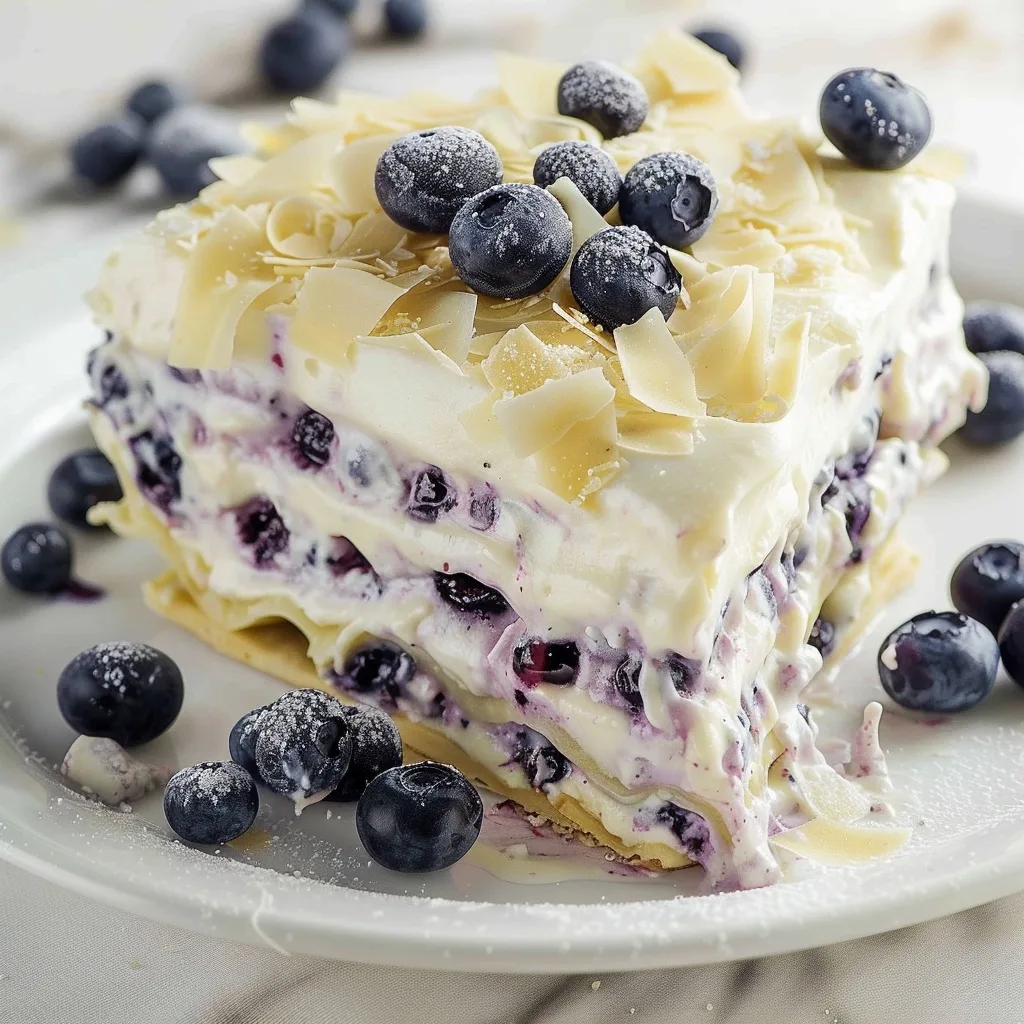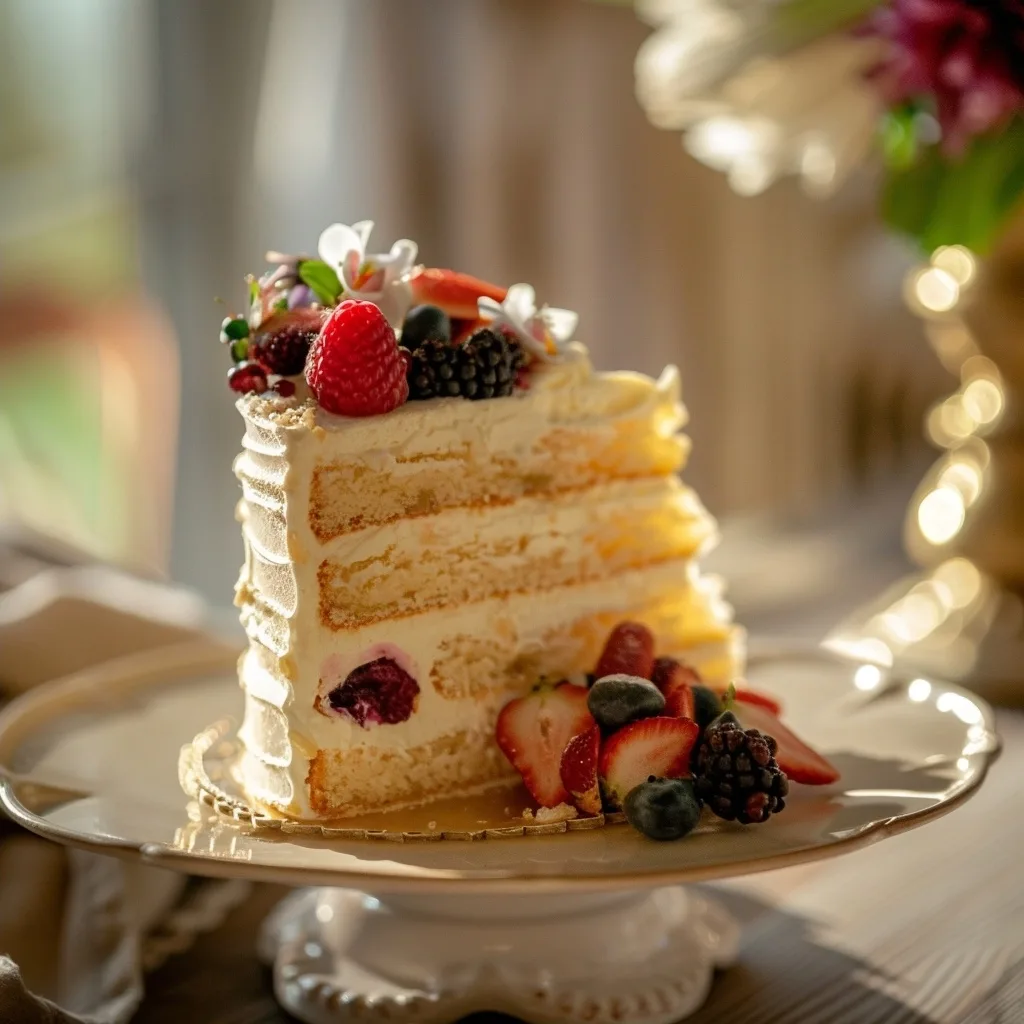
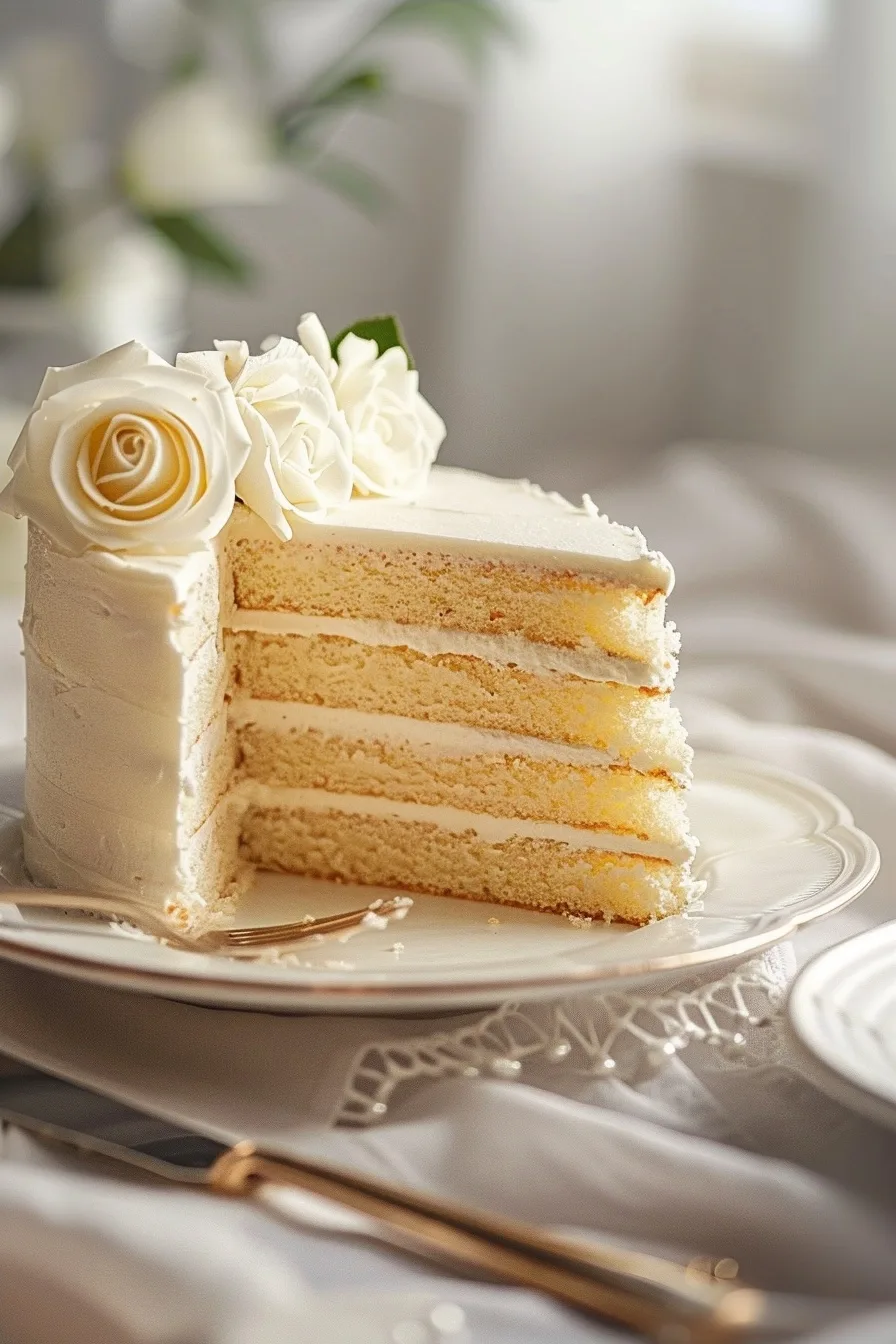
The homemade vanilla layer cake is a quintessential dessert, offering a tender crumb and classic sweet flavor. This recipe delivers a moist, fluffy vanilla cake perfect for any celebration. It serves as a delightful canvas for your favorite frostings and decorations.
Recipe Overview
| Prep Time | Cook Time | Total Time | Servings | Difficulty | Cuisine |
|---|---|---|---|---|---|
| 25 minutes | 35 minutes | 1 hour 35 minutes (plus cooling) | 12 | Easy | American |
Why This Recipe Works
This homemade vanilla layer cake recipe is a testament to simple, quality ingredients combined with precise technique. Using softened butter and creaming it thoroughly with sugar creates tiny air pockets that contribute to a lighter texture. The balance of flour, leavening agents, and liquid ensures a tender crumb that isn’t too dense or too crumbly. I discovered long ago that room temperature ingredients are key for emulsification, leading to a smoother batter and a more uniform cake texture. This recipe avoids common pitfalls by carefully detailing the mixing stages.
The combination of baking powder and the aeration from creaming the butter and sugar provides a reliable rise. Whole milk contributes richness and moisture without making the cake heavy, and the generous amount of vanilla extract ensures a pronounced, authentic vanilla flavor. Following the alternating addition of dry and wet ingredients prevents gluten overdevelopment, which is crucial for cake tenderness. This method consistently yields a beautiful, stable layer cake ready for any occasion.
Ingredients
| Ingredient | Quantity | Notes |
|---|---|---|
| All-purpose flour | 3 cups | Spoon and level for accurate measurement. |
| Unsalted butter | 1 ½ cups (3 sticks) | Softened to room temperature. Crucial for creaming. |
| Granulated sugar | 1 ¾ cups | Fine granulated sugar is best for creaming. |
| Large eggs | 4 | Room temperature to emulsify better. |
| Pure vanilla extract | 1 tablespoon | Use high-quality extract for best flavor. |
| Milk | 1 ½ cups | Whole or 2% milk recommended. Room temperature is ideal. |
| Baking powder | 2 ½ teaspoons | Ensure it is fresh for proper leavening. |
| Salt | ½ teaspoon | Enhances overall flavor and balances sweetness. |
Step-by-Step Instructions
Preparation
- Preheat your oven to 350°F (175°C).
- Grease and flour two 9-inch round cake pans. For extra assurance of no sticking, you can also line the bottoms with parchment paper.
Mixing the Batter
- In a large mixing bowl, cream together the softened unsalted butter and granulated sugar using an electric mixer on medium speed.
- Continue creaming for 3-5 minutes until the mixture is pale yellow and noticeably fluffy. This step incorporates air for a lighter cake.
- Add the large eggs one at a time, beating well after each addition. Scrape down the sides of the bowl as needed.
- Stir in the pure vanilla extract until fully combined.
- In a separate medium bowl, whisk together the all-purpose flour, baking powder, and salt. Ensure the leavening agent is evenly distributed.
- Add approximately one-third of the dry ingredients to the butter mixture and mix on low speed until just combined.
- Pour in half of the milk and mix until just incorporated.
- Add another third of the dry ingredients and mix until just combined.
- Add the remaining milk and mix until just incorporated.
- Finally, add the last third of the dry ingredients and mix until just barely combined. Be careful not to overmix. A few streaks of flour are acceptable and will disappear during baking.
Baking and Cooling
- Divide the cake batter evenly between the two prepared 9-inch round cake pans. Smooth the tops with a spatula.
- Bake in the preheated oven for 30-35 minutes.
- Check for doneness by inserting a wooden skewer or toothpick into the center of each cake; it should come out clean.
- Allow the cakes to cool in their pans on a wire rack for 10 minutes.
- Carefully invert the cakes onto the wire rack and remove the pans. Let them cool completely before frosting.
Chef Tips for Perfect Results
- Use room temperature ingredients: Butter, eggs, and milk should be at room temperature for optimal emulsification and a smoother batter. This allows them to combine more easily without curdling.
- Don’t overmix the batter: Overmixing develops gluten, resulting in a tough, dense cake. Mix until just combined, especially after adding the flour.
- Measure flour correctly: Spoon flour into your measuring cup and level it off with a straight edge. Scooping directly from the bag can pack too much flour, leading to a dry cake.
- Cream butter and sugar adequately: Creaming is essential for aeration. Beat them together until light, fluffy, and pale yellow for a cake with a finer crumb.
- Align oven rack properly: Place your cake pans on the middle rack of your oven for even heat circulation and uniform baking.
Common Mistakes to Avoid
- Using cold ingredients: Cold butter won’t cream properly, and cold eggs/milk can cause the batter to curdle, affecting texture. Always use room temperature ingredients.
- Overmixing after adding flour: This is a primary cause of tough cakes. Mix gently and only until ingredients are incorporated.
- Opening the oven door too early: This can cause the cake to sink. Wait until the last 10 minutes of baking to check for doneness.
- Underbaking or overbaking: Underbaked cakes will be gummy, while overbaked cakes are dry. Always test with a skewer; the time is a guideline.
- Improper pan preparation: Cakes can stick if pans aren’t greased and floured adequately, ruining the presentation. Utilize parchment paper for added security.
Variations and Substitutions
| Ingredient | Substitution | Impact on Flavor |
|---|---|---|
| All-purpose flour | Cake flour (use 3 ½ cups) | Results in a more tender, delicate crumb. |
| Whole or 2% milk | Buttermilk or non-dairy milk (e.g., almond, oat) | Buttermilk adds a slight tang and extra tenderness. Non-dairy milk may slightly alter the richness. |
| Granulated sugar | Caster sugar | Dissolves more easily, contributing to a smoother texture; no significant flavor change. |
| Pure vanilla extract | Vanilla bean paste (¾ tablespoon per 1 tablespoon extract) | Adds visible vanilla bean flecks and a more intense, pure vanilla flavor. |
Serving Suggestions and Pairings
This delightful homemade vanilla layer cake is incredibly versatile. It’s a perfect centerpiece for birthday parties, anniversaries, baby showers, or simply a weekend treat. Serve slices plain to appreciate its pure flavor, or frost it with classic buttercream, cream cheese frosting, or a light whipped cream. It pairs beautifully with fresh berries, a dusting of powdered sugar, or a drizzle of chocolate sauce. For a more sophisticated dessert, consider serving it with a side of crème anglaise or a scoop of high-quality vanilla bean ice cream. This cake also makes a wonderful base for a special occasion like a wedding shower.
Storage and Reheating
| Method | Duration | Instructions |
|---|---|---|
| Room Temperature (frosted) | 1-2 days | Store in an airtight cake dome or container. Best for cakes frosted with stable frostings like buttercream. |
| Refrigerated (frosted) | 3-4 days | Cover tightly with plastic wrap or store in an airtight container. Allow to come to room temperature for at least 30 minutes before serving for best texture. |
| Freezing (unfrosted layers) | 1-2 months | Wrap each cooled cake layer tightly in plastic wrap, then in aluminum foil. Thaw overnight in the refrigerator. |
| Freezing (frosted) | 1-2 months | Chill the frosted cake until firm, then wrap tightly in plastic wrap and foil. Thaw in the refrigerator. |
Nutritional Information
| Nutrient | Amount per Serving |
|---|---|
| Approximate values per serving (cake only, unfrosted). Frosting will increase values. | |
| Calories | 350 kcal |
| Protein | 5 g |
| Fat | 18 g |
| Carbohydrates | 45 g |
| Fiber | 2 g |
| Sugar | 28 g |
| Sodium | 200 mg |
Frequently Asked Questions
Can I substitute the flour for this vanilla layer cake?
You can substitute cake flour for all-purpose flour by using 3 ½ cups of cake flour. This substitution will result in a more tender and delicate crumb structure.
How do I know if my vanilla layer cake is done baking?
Your vanilla layer cake is done baking when a wooden skewer or toothpick inserted into the center comes out clean, with no wet batter clinging to it. The cake edges should also be slightly pulling away from the sides of the pan.
My vanilla layer cake is crumbling when I cut it, what went wrong?
Your vanilla layer cake may be crumbling due to overmixing the batter, which develops too much gluten, or from being underbaked. Ensure you mix until just combined and test for doneness accurately.
Can I make the vanilla layer cake layers ahead of time?
Yes, you can make the cake layers ahead of time. Wrap cooled, unfrosted layers tightly in plastic wrap and foil and freeze for up to two months. Thaw them completely in the refrigerator before frosting.
What is the best way to serve homemade vanilla layer cake?
For optimal flavor and texture, serve your homemade vanilla layer cake at room temperature. Allow it to sit out for at least 30 minutes after refrigeration before slicing and enjoying.
This homemade vanilla layer cake recipe is a true classic, offering a perfect balance of sweetness and simple, pure vanilla flavor. It’s a foundational recipe that works beautifully for any celebration or special occasion. Embrace the joy of baking and enjoy the delightful aroma and taste that only a scratch-made cake can provide. The signature vanilla essence makes it a timeless favorite that will impress everyone.
Print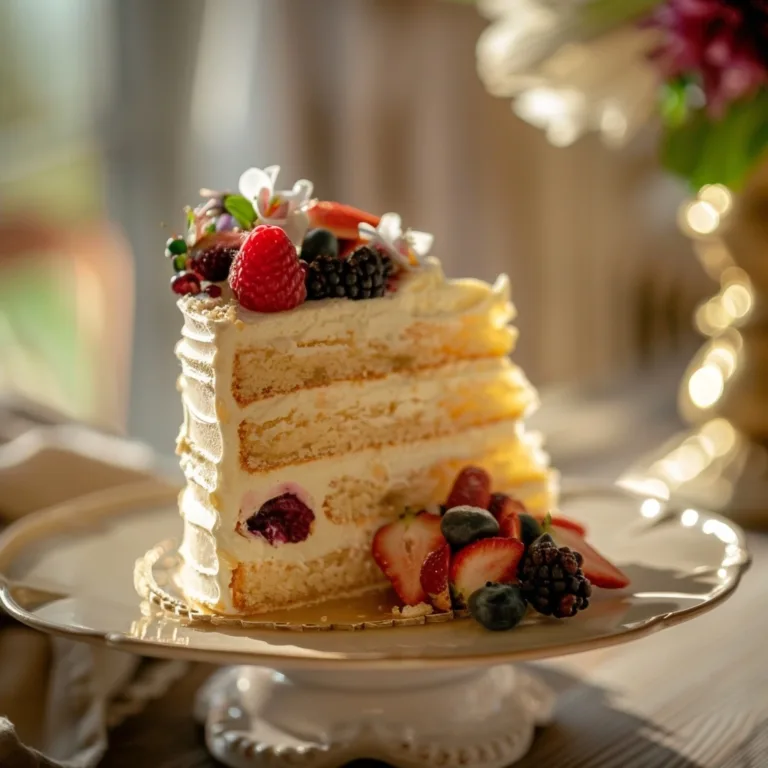
Homemade Vanilla Layer Cake: The Ultimate Guide
A tender, fluffy vanilla cake with a rich crumb and classic flavor, perfect as a base for frostings and decorations. Ideal for celebrations and special occasions.
- Total Time: 95
- Yield: 12 servings 1x
Ingredients
3 cups all-purpose flour
1 ½ cups unsalted butter, softened
1 ¾ cups granulated sugar
4 large eggs, room temperature
1 tablespoon pure vanilla extract
1 ½ cups milk, room temperature
2 ½ teaspoons baking powder
Instructions
Preheat oven to 350°F (175°C)
Prepare two 9-inch round cake pans with parchment paper and butter
In a mixing bowl, cream softened butter and granulated sugar until light and fluffy
Add eggs one at a time, blending well after each addition
Mix in vanilla extract
In a separate bowl, combine flour, baking powder, and a pinch of salt
Alternate adding dry ingredients and milk to the butter mixture, beginning and ending with dry ingredients
Pour batter evenly into prepared pans
Bake for 32-35 minutes or until a toothpick inserted in the center comes out clean
Cool layers completely on wire racks before frosting and assembling
Notes
Room temperature eggs and butter ensure smooth emulsification
Use high-quality vanilla extract for pronounced flavor
Check baking powder freshness for optimal rise
Allow layers to cool completely before stacking to avoid melting frosting
- Prep Time: 25
- Cook Time: 35
- Category: Classic American Cake Recipes
- Method: Baking
- Cuisine: American
- Diet: Vegetarian
Nutrition
- Serving Size: 1 slice (1/12 of cake)
- Calories: 268
- Sugar: 32g
- Sodium: 135mg
- Fat: 15g
- Saturated Fat: 9g
- Carbohydrates: 24g
- Fiber: 1g
- Protein: 4g
- Cholesterol: 60mg