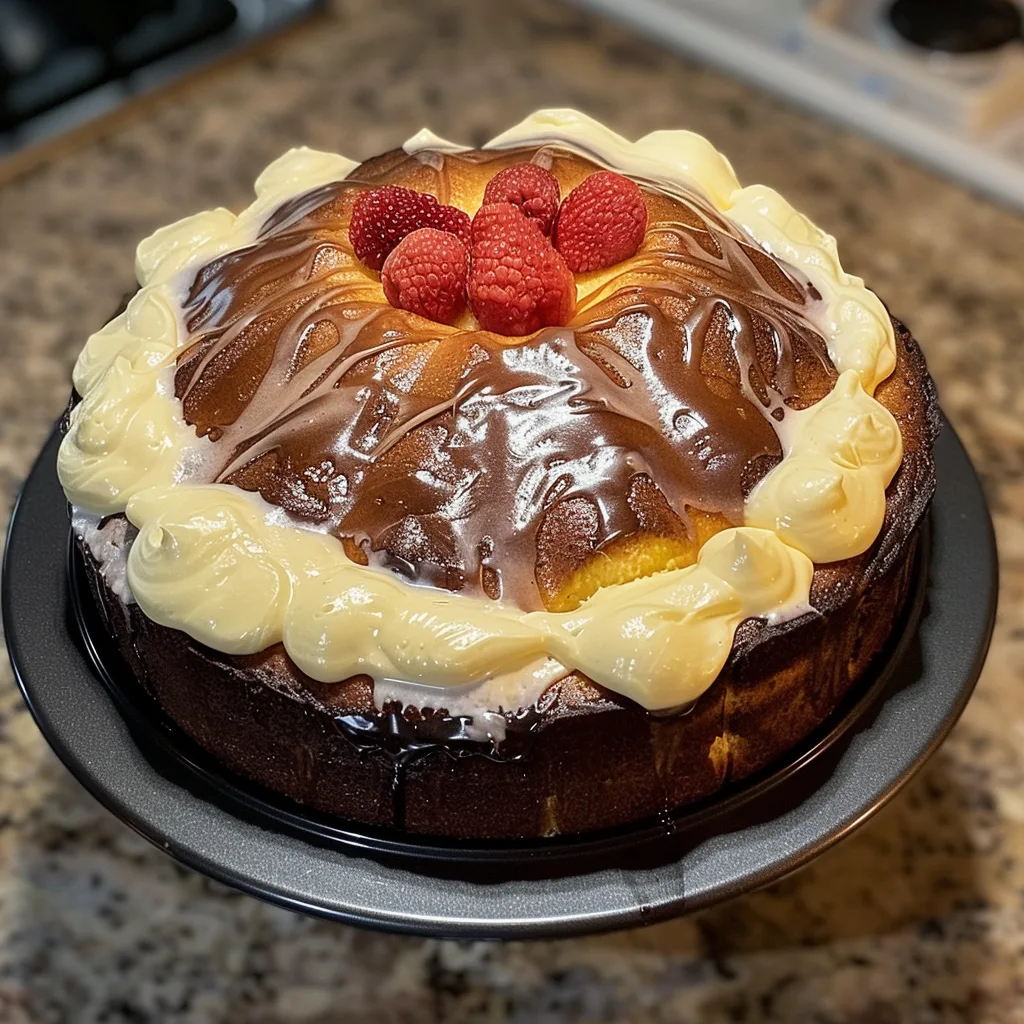
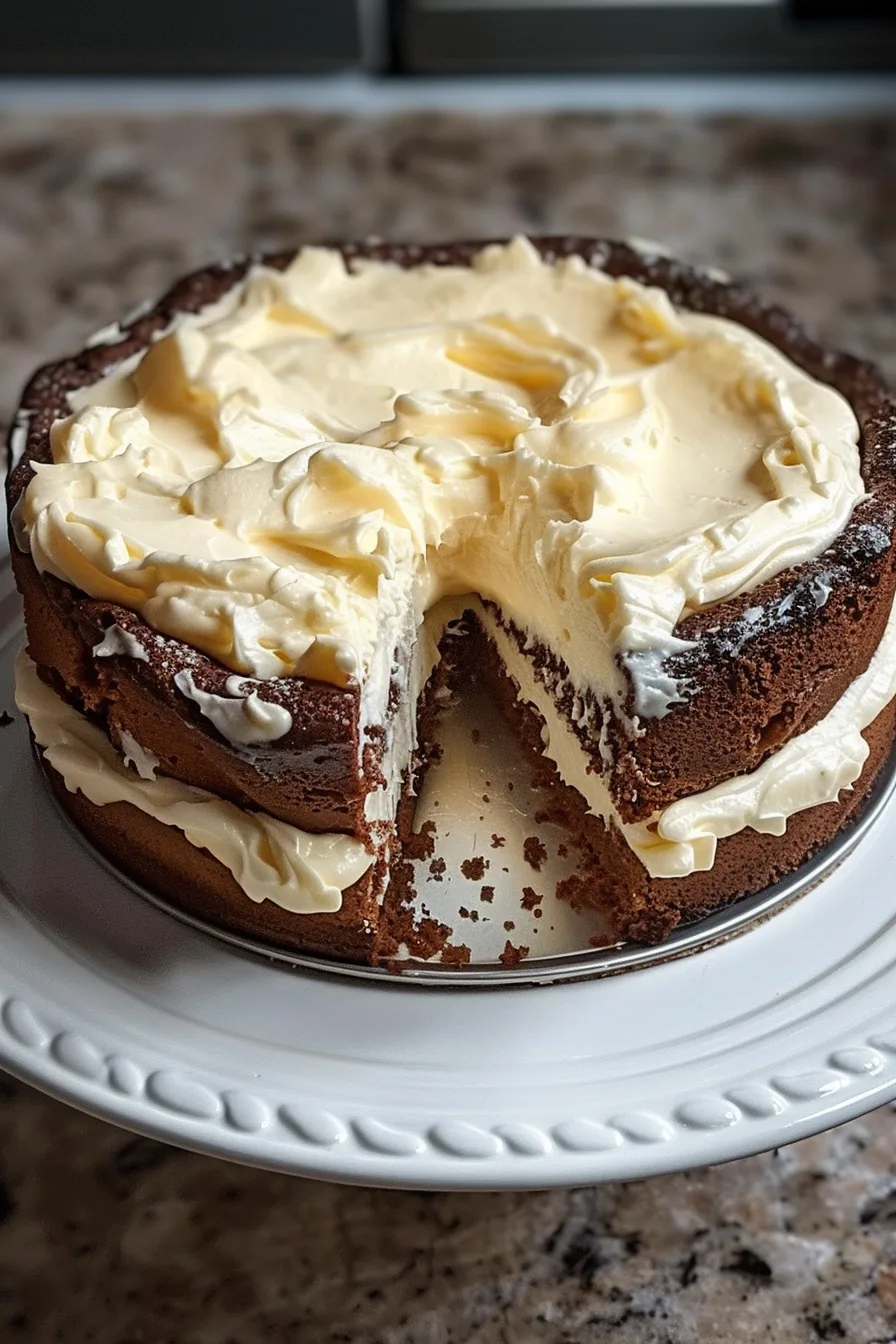
This melt-in-your-mouth cake is a supremely tender and moist vanilla cake, often characterized by its delicate crumb and rich, buttery flavor. It is designed to dissolve effortlessly on your tongue, providing a luxurious dessert experience. This recipe guarantees a cake so soft, it feels like biting into a cloud.
| Prep Time | Cook Time | Total Time | Servings | Difficulty | Cuisine |
|---|---|---|---|---|---|
| 20 minutes | 40 minutes | 1 hour | 12-15 | Easy | American |
Why This Recipe Works
The secret to an exceptionally melt-in-your-mouth cake lies in a few key components that work in harmony. Firstly, the generous amount of butter provides richness and tenderness. Creaming the butter thoroughly with the sugar introduces air, creating a lighter texture that contributes to the cake’s delicate crumb right from the start.
Secondly, the combination of buttermilk and sour cream or Greek yogurt is pivotal. The acidity in both ingredients reacts with the baking soda, producing a finer crumb and enhancing the overall moisture. This dual liquid approach ensures the cake remains incredibly moist and supple, preventing any dryness that might detract from that desired melt-in-your-mouth quality. The fat content in these dairy products also plays a crucial role in creating a velvety smooth texture.
Ingredients
| Ingredient | Quantity | Notes |
|---|---|---|
| All-purpose flour | 2 cups | Sifted for best texture. |
| Granulated sugar | 1.5 cups | Fine granulated sugar is ideal. |
| Baking powder | 1 teaspoon | Ensures a good rise. |
| Baking soda | 0.5 teaspoon | Works with acidic ingredients. |
| Salt | 0.5 teaspoon | Enhances overall flavor. |
| Unsalted butter | 1 cup (2 sticks) | Softened to room temperature. Use high-quality butter. |
| Large eggs | 4 | Room temperature is best for incorporation. |
| Buttermilk | 1 cup | Room temperature. Can make your own by adding 1 tbsp lemon juice or white vinegar to 1 cup milk and letting it sit for 5 minutes. |
| Vanilla extract | 2 teaspoons | Pure vanilla extract for best flavor. |
| Sour cream or full-fat Greek yogurt | 1 cup | Adds moisture and richness. Full-fat is crucial. |
Step-by-Step Instructions
-
-
Preparation
Preheat your oven to 325°F (160°C). Grease and flour a standard 9×13 inch baking pan thoroughly to prevent sticking.
-
Combine Dry Ingredients
In a large mixing bowl, whisk together the sifted all-purpose flour, granulated sugar, baking powder, baking soda, and salt until well combined.
-
Cream Butter
In a separate large bowl, cream the softened unsalted butter using an electric mixer on medium speed until it becomes light, fluffy, and pale yellow. This usually takes about 3-4 minutes.
-
Incorporate Eggs
Add the room temperature large eggs one at a time, beating well after each addition. Ensure each egg is fully incorporated before adding the next to maintain a smooth emulsion.
-
Prepare Wet Ingredients
In a small bowl or a liquid measuring cup, combine the buttermilk and pure vanilla extract. Stir gently to combine.
-
-
Combine Wet and Dry
Gradually add the dry ingredients to the creamed butter and egg mixture in three alternating additions with the buttermilk mixture in two additions. Begin and end with the dry ingredients. Mix on low speed until just combined, scraping down the sides of the bowl as needed.
-
Add Final Moisture
Gently fold in the sour cream or full-fat Greek yogurt with a spatula until just incorporated. Be careful not to overmix at this stage, as it can develop gluten and toughen the cake.
-
Pour Batter
Pour the cake batter evenly into the prepared 9×13 inch baking pan. Smooth the top with the spatula.
-
Bake the Cake
Bake for 35-45 minutes. The cake is done when a wooden skewer or toothpick inserted into the center comes out clean, with no wet batter attached.
-
Cool the Cake
Allow the cake to cool in the pan on a wire rack for 10-15 minutes. Then, carefully invert the cake onto the wire rack to cool completely before frosting or serving.
Chef Tips for Perfect Results
- Always use room temperature ingredients: Butter, eggs, and dairy all incorporate best when not cold. This creates a smoother batter and a more uniform crumb.
- Do not overmix the batter: Once the flour is added, mix only until just combined. Overmixing develops gluten, leading to a tougher cake.
- Accurate measuring of flour: Spoon flour into your measuring cup and level it off with a straight edge. Do not scoop directly from the bag, as this compacts the flour and results in too much being added.
- Gentle folding of sour cream: Fold in the sour cream or yogurt with a light hand. You want minimal mixing to preserve the air incorporated in earlier steps.
- Oven temperature is critical: Ensure your oven is accurately calibrated. An oven thermometer is a useful tool to verify the set temperature. A slightly off temperature can significantly affect baking time and texture.
Common Mistakes to Avoid
- Using cold ingredients: Cold butter won’t cream properly, and cold eggs or dairy can cause the batter to curdle. Fix: Always ensure butter, eggs, and buttermilk/sour cream are at room temperature before starting.
- Overmixing the batter: This is a primary culprit for a tough cake. Fix: Stop mixing as soon as the ingredients are just combined, especially after adding flour and sour cream.
- Incorrect leavening agents: Using expired baking soda or baking powder, or using the wrong type, will result in a flat cake. Fix: Check expiration dates on your leaveners and ensure you are using the correct amounts specified.
- Opening the oven door too early: This can cause the cake to collapse. Fix: Wait until the cake is mostly set (around 30 minutes) before checking for doneness, and do so quickly.
Variations and Substitutions
| Ingredient | Substitution | Impact on Flavor |
|---|---|---|
| Buttermilk | Milk + 1 tbsp white vinegar or lemon juice (let sit 5 mins) | Slightly tangier, but functionally similar. |
| Sour cream/Greek yogurt | Full-fat plain yogurt (ensure it’s thick) | Slightly less rich and potentially a bit more tart. |
| Vanilla extract | Almond extract (1 tsp), Lemon zest (1 tbsp) | Changes to almond or citrus notes. Use sparingly. |
| All-purpose flour | Cake flour (use 2 cups + 2 tbsp) | Slightly finer, more tender crumb. |
Serving Suggestions and Pairings
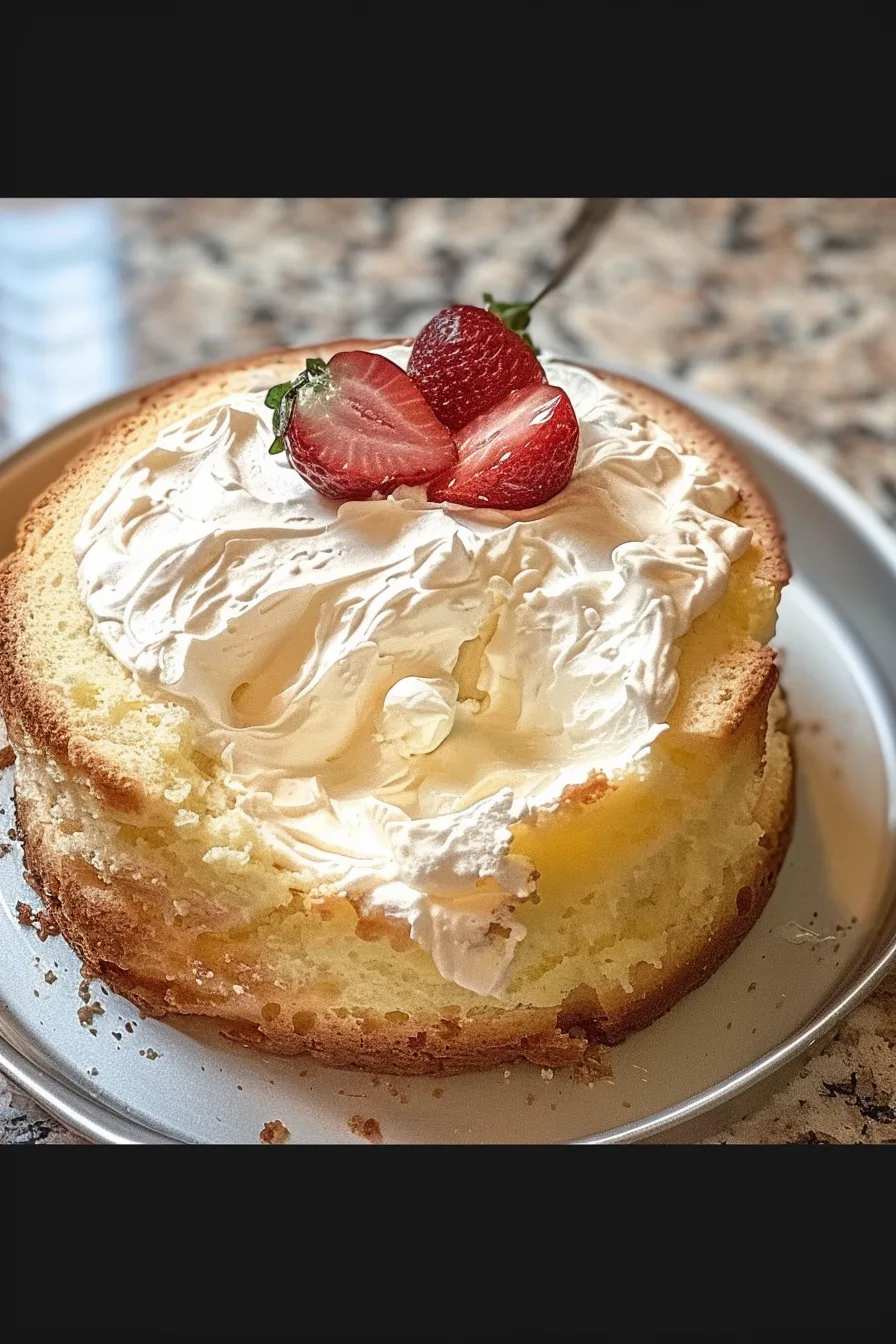
This versatile melt-in-your-mouth cake is perfect as is, but also shines with simple additions. Enjoy it plain with a dusting of powdered sugar for an elegant yet straightforward dessert. It pairs wonderfully with fresh berries like strawberries or raspberries, offering a delightful contrast in texture and flavor. For a more decadent experience, serve with a dollop of whipped cream or a light, creamy frosting such as a cream cheese frosting or a vanilla buttercream.
This cake is ideal for casual gatherings, afternoon tea, or as a sweet ending to any family meal. It also makes a beautiful base for celebratory cakes, easily decorated for birthdays or holidays. Consider pairing it with a warm beverage like a cup of [herbal tea] or a rich hot chocolate.
Storage and Reheating
| Method | Duration | Instructions |
|---|---|---|
| Room Temperature (unfrosted) | 2-3 days | Store tightly wrapped in plastic wrap or in an airtight container. |
| Room Temperature (frosted) | 1-2 days | Cover loosely with plastic wrap or a cake dome, avoiding condensation. |
| Refrigeration (frosted) | 3-4 days | Store in an airtight container. Best served at room temperature, so allow to sit out before serving. |
| Freezing | 2-3 months | Wrap completely in plastic wrap, then in foil. Thaw overnight in the refrigerator. |
Nutritional Information
Approximate values per serving (based on 15 servings, unfrosted):
| Nutrient | Amount per Serving |
|---|---|
| Calories | 350 kcal |
| Protein | 4g |
| Fat | 18g |
| Carbohydrates | 45g |
| Fiber | 1g |
| Sugar | 30g |
| Sodium | 200mg |
Frequently Asked Questions
Can I substitute oil for butter in this melt-in-your-mouth cake recipe?
No, substituting oil for butter is not recommended for this specific recipe. Butter contributes essential flavor, richness, and that signature creamy texture crucial for a melt-in-your-mouth result. Oil provides moisture but lacks the creaming potential and unique flavor profile of butter.
How do I know when my melt-in-your-mouth cake is done baking?
The cake is perfectly baked when a wooden skewer or toothpick inserted into the center comes out clean, with no wet batter attached. The edges should also start to pull away slightly from the sides of the pan, and the top should spring back lightly when gently pressed.
Why is my melt-in-your-mouth cake dry and crumbly?
Dry and crumbly texture often results from overbaking or using too much flour. Ensure you are measuring flour accurately by spooning it into the cup and leveling off. Do not overmix the batter, and check for doneness promptly to prevent overbaking.
Can I prepare the melt-in-your-mouth cake batter ahead of time?
It is best to bake the cake immediately after preparing the batter. While you can combine the dry ingredients and cream the butter/eggs separately, it’s advisable to mix the wet and fold in the sour cream just before baking for optimal results and texture.
What is the best way to serve melt-in-your-mouth cake for maximum enjoyment?
Serve this cake at room temperature for the best texture and flavor. It is delightful on its own, with fresh fruit, or a light glaze. Avoid serving it cold directly from the refrigerator, as this can firm up the fats and alter its tender quality.
This recipe for melt-in-your-mouth cake is your key to achieving unparalleled tenderness and a delicate crumb that truly melts on your tongue. By understanding the role of each ingredient and following the precise steps, you will consistently produce a cake that is moist, rich, and utterly delightful. Embrace the simplicity and enjoy this comforting classic, savoring its buttery essence with every bite.
Print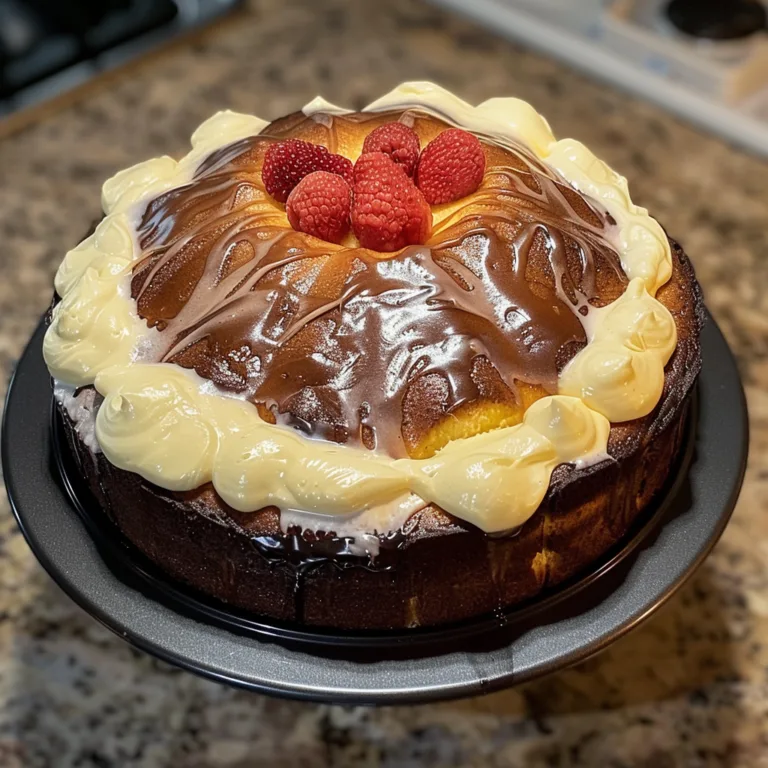
Melt-in-Your-Mouth Vanilla Cake
A supremely tender and moist vanilla cake with a delicate crumb and rich, buttery flavor. This easy-to-make American dessert delivers a luxurious, cloud-like texture that melts effortlessly on the tongue.
- Total Time: 60
- Yield: 12-15 servings 1x
Ingredients
2 cups all-purpose flour
1½ cups granulated sugar
1 teaspoon baking powder
½ teaspoon baking soda
½ teaspoon salt
1 cup unsalted butter, softened
4 large eggs, room temperature
1 cup buttermilk, room temperature
2 teaspoons pure vanilla extract
1 cup sour cream or Greek yogurt
Instructions
Preheat oven to 350°F (175°C). Grease and flour two 9-inch round cake pans.
In a medium bowl, whisk together flour, baking powder, baking soda, and salt. Set aside.
In a stand mixer, cream butter and sugar on medium speed until light and fluffy, about 3-4 minutes.
Add eggs one at a time, mixing well after each addition. Stir in vanilla extract.
Alternately add dry ingredients and buttermilk to the mixer, beginning and ending with dry ingredients. Mix on low speed until just combined.
Fold in sour cream or Greek yogurt until smooth and homogeneous.
Divide batter between prepared pans. Bake for 22-25 minutes, or until a toothpick inserted in the center comes out clean.
Let cakes cool in pans for 10 minutes before transferring to a wire rack to cool completely.
Notes
Sift flour before measuring for optimal texture
Use buttermilk made with non-dairy milk (e.g., almond milk with lemon juice) for a vegan version
Store cake in an airtight container for up to 3 days at room temperature
Do not overmix batter; this can lead to a denser crumb
- Prep Time: 20
- Cook Time: 40
- Category: Cake Recipes & Easy Baking Ideas
- Method: Baking
- Cuisine: American
- Diet: Vegetarian
Nutrition
- Serving Size: 1 slice (1/15 of cake)
- Calories: 280
- Sugar: 15g
- Sodium: 120mg
- Fat: 14g
- Saturated Fat: 9g
- Carbohydrates: 30g
- Fiber: 0.6g
- Protein: 4g
- Cholesterol: 60mg